
Many patients searching for sedation dentistry Houston services do not actually fear pain itself. Instead, they fear the anticipation: the sound of the drill, the feeling of being unable to leave the chair, and old dental memories that return before the appointment. Intravenous sedation gives many patients a realistic way to complete treatment comfortably after years of avoiding dental care.
What Sedation Dentistry Houston Patients Should Expect
IV sedation dentistry uses medication delivered through a small IV line to create a deeper level of relaxation than oral sedation. Most patients feel the effects within minutes, and their bodies leave the “fight or flight” state that often drives dental anxiety.
Doctors usually use conscious sedation instead of general anesthesia. Patients can still answer simple questions and cooperate during treatment, but they notice fewer sounds, sensations, and distractions. Many patients also remember very little after the appointment.
Dentists often recommend IV sedation for patients with severe anxiety, strong gag reflexes, or difficulty sitting still during long procedures. It also helps patients stay more comfortable during dental implant surgery, periodontal treatment, and oral surgery.
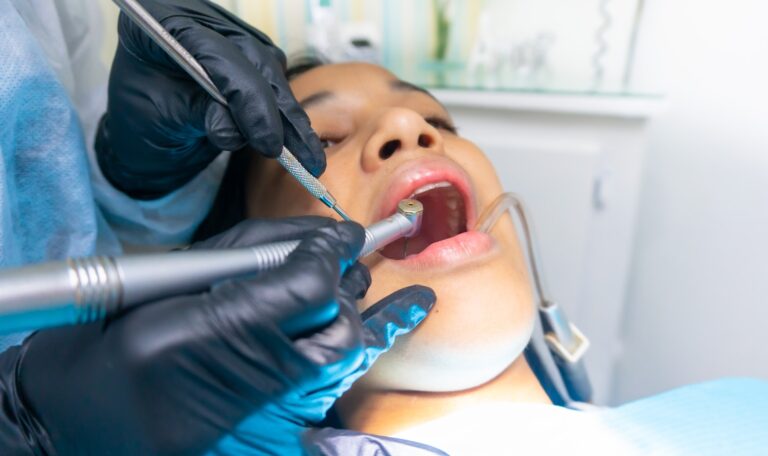
Sedation Dentistry Houston vs. Oral Sedation
One major advantage of IV sedation involves real-time dose adjustments. The doctor can increase or reduce the medication during treatment based on the patient’s response. Oral sedation does not offer the same level of precision because the body absorbs the medication at different speeds.
IV sedation also works faster and creates more predictable results. That consistency helps many patients feel calmer before treatment even begins.
How Sedation Dentistry Houston Changes the Emotional Experience
For many patients, anticipatory fear feels worse than the procedure itself. Dental sounds, smells, vibrations, and the sensation of sitting still can trigger automatic stress responses, even when patients understand they are safe.
IV sedation helps break the cycle of anxiety, delay, and worsening dental problems. Once patients complete treatment comfortably, many find it easier to return for future appointments without the same emotional stress.
Who Is a Good Candidate for Sedation Dentistry Houston Services
Patients with severe dental anxiety, multiple treatment needs, or upcoming oral surgery often benefit from IV sedation. Dentists also recommend it for people receiving dental implants, periodontal treatment, or lengthy procedures that require sitting in the chair for long periods.
Before recommending IV sedation, the dental team reviews medical history, medications, allergies, and health conditions. Patients should also discuss sleep apnea, breathing problems, or heart conditions during the consultation.
Some medical conditions, medications, and lifestyle habits may affect sedation planning. Dentists evaluate each patient individually to prioritize comfort and patient safety.
Questions to Ask During a Sedation Dentistry Houston Consultation
Patients should ask who administers the sedation and what training the team has completed. It also helps to ask how often the office performs IV sedation procedures for anxious patients.
Patients should also ask how the office monitors breathing, blood pressure, pulse, and oxygen levels during treatment. Understanding the safety process often helps reduce anxiety before the procedure.
How Sedation Dentistry Houston Helps With Long Procedures
When patients feel more comfortable, dentists can often complete treatment in fewer visits. Many people describe the appointment as feeling much shorter than expected.
Patients who delayed care for years often need complex treatment plans involving several procedures. IV sedation helps many of these patients complete treatment without feeling overwhelmed at every visit.
If you want to learn more about available treatment options, visit the page about relaxation options for dental procedures.
How to Prepare for Sedation Dentistry Houston Appointments
Most offices begin with a consultation and medical evaluation. Patients receive instructions about fasting before treatment, and they should follow those directions carefully.
Patients should avoid alcohol and smoking before sedation because both can interfere with healing and medication effects. These precautions become especially important before oral surgery or dental implant procedures.
Every patient needs a responsible adult to provide transportation home after sedation. Most offices will not perform IV sedation unless someone accompanies the patient.
Medications and Health Conditions to Discuss
Patients should tell the dental team about all medications, supplements, and health conditions. Blood thinners and certain supplements may affect treatment planning.
Patients should also report recent illnesses, fever, breathing problems, or respiratory infections before the appointment. The dental team carefully monitors breathing and oxygen levels during IV sedation, so even minor symptoms matter.
Checklist for the Day of Treatment
Wear comfortable clothing and leave jewelry at home. Patients who wear contact lenses should ask the office about specific instructions before treatment.
Patients should confirm transportation plans in advance and leave enough time afterward to rest and recover at home.
What Patients Can Expect During Sedation Dentistry Houston Procedures
The process usually begins with a medical review and placement of the IV line. After the doctor administers the medication, most patients feel deeply relaxed within minutes.
The dental team continuously monitors blood pressure, pulse, breathing, and oxygen levels throughout the procedure. The team focuses on both comfort and patient safety during treatment.
Most patients feel sleepy and lose track of time during the procedure. Many also remember very little afterward, which often helps patients with dental anxiety feel less stressed about future appointments.
Patients who need lengthy root canal treatment can also explore comfortable root canal treatment options.
How Sedation Dentistry Houston Helps Sensitive Patients
IV sedation reduces sensitivity to sound, vibration, and stimulation. Many patients experience fewer physical reactions and less muscle tension during treatment.
Patients who fear losing control often feel calmer once the sedation takes effect. Even though patients remain cooperative, they usually feel far less internal stress during the procedure.
Safety and Sedation Control With Sedation Dentistry Houston
Doctors use titration to adjust the medication gradually throughout treatment. This approach allows the dental team to maintain the desired level of relaxation more accurately than oral sedation.
Before treatment begins, patients should discuss how to communicate discomfort during the procedure. Many offices use simple hand signals so patients can pause treatment at any time.
Recovery After Sedation Dentistry Houston Treatment
Most patients feel sleepy and less coordinated immediately after treatment. Patients should plan to rest for the remainder of the day and avoid important decisions.
Patients should avoid driving, drinking alcohol, signing legal documents, or operating machinery after IV sedation. The dental office provides recovery instructions based on both the sedation and the dental procedure performed.
Patients should contact the office if they experience heavy bleeding, uncontrolled pain, severe nausea, or fever after treatment.
Oral Care and Diet During Recovery
Soft foods and hydration help support healing after oral surgery, periodontal treatment, or dental implants. Patients should avoid chewing directly on treated areas during recovery.
Patients should also follow instructions for pain medication and antibiotics carefully. Taking extra medication without guidance can create additional risks.
When Patients Can Return to Work
Many patients return to work the following day after simpler procedures. However, some people continue feeling mentally tired or foggy until later in the evening.
Patients who receive dental implants or periodontal treatment may need extra recovery time. Patients considering implants can also read about important factors to compare before choosing implant treatment.
Common Mistakes Patients Should Avoid
Some patients try to hide anxiety or leave out details about their medical history. That mistake can make sedation planning more difficult and reduce overall comfort during treatment.
Other patients ignore fasting instructions before sedation. This mistake increases risks and may force the office to reschedule the appointment.
Patients should never arrive without transportation home or plan demanding activities after sedation. Transportation after IV sedation should remain part of the treatment plan from the beginning.
How Patients Can Avoid Delaying Treatment
Patients should schedule a consultation to discuss anxiety triggers, past experiences, and fears openly with the dental team. Many patients feel more comfortable once they know the office understands their concerns.
Patients can also request phased treatment plans and discuss what the dentist can complete during longer appointments with IV sedation. Clear expectations often reduce anticipatory fear significantly.
Safety and Monitoring During Sedation Dentistry Houston Procedures
Patients should look for offices that explain sedation protocols, emergency procedures, and monitoring systems clearly. Transparent communication usually reflects a stronger focus on patient safety.
Patients should also ask about the office’s experience with dental implants, oral surgery, and long treatment appointments involving IV sedation.
Patients who want more information about scheduling can visit the consultation and appointment page.
Planning Around Houston Traffic and Recovery
Patients with appointments near Uptown, River Oaks, Memorial, Greenway Plaza, West University, or The Heights should plan extra travel time carefully. Even small delays can create unnecessary stress before treatment.
Patients should also avoid rush hour traffic on I-10, US-59, and the 610 Loop whenever possible. Long traffic delays after sedation can make recovery more uncomfortable.
Questions About Costs and Insurance
Patients should request written estimates that include sedation fees, dental treatment, X-rays, and follow-up appointments. Clear financial details help patients prepare more confidently.
Patients should also ask about insurance coverage and financing options. The American Academy of Implant Dentistry explains why treatment costs vary between offices and procedures.
Choosing a Sedation Dentistry Houston Provider
IV sedation offers more than comfort alone. For many patients, it removes the emotional barrier that prevented them from completing treatment in the past.
Strong communication, proper preparation, and honest medical discussions all help improve patient safety and treatment success. Patients should choose an office that clearly explains sedation, monitoring, recovery, and expectations.
For long or complex procedures, IV sedation can make treatment feel shorter and more manageable. That matters in everyday life, especially when patients balance work, family responsibilities, and Houston traffic.
5 Key Takeaways About Sedation Dentistry Houston
- IV sedation works quickly and allows real-time dose adjustments.
- It helps patients manage dental anxiety and long procedures more comfortably.
- Patients should follow fasting instructions carefully and arrange transportation home.
- Most patients need rest after treatment and should avoid driving or alcohol afterward.
- Patients should choose a dental office that explains safety and monitoring procedures clearly.