
A toothache can feel miserable. However, not every tooth problem is a true emergency. Many people search how to know if a tooth infection is an emergency (Houston guide). The real issue is triage. You need to know when pain can wait for urgent dental care. You also need to recognize when swelling, fever, or breathing trouble signals a tooth infection emergency.
This guide explains the signs of a tooth infection emergency. It also shows when to choose an emergency dentist versus the ER. In addition, it covers what Houston patients should do while waiting for care.
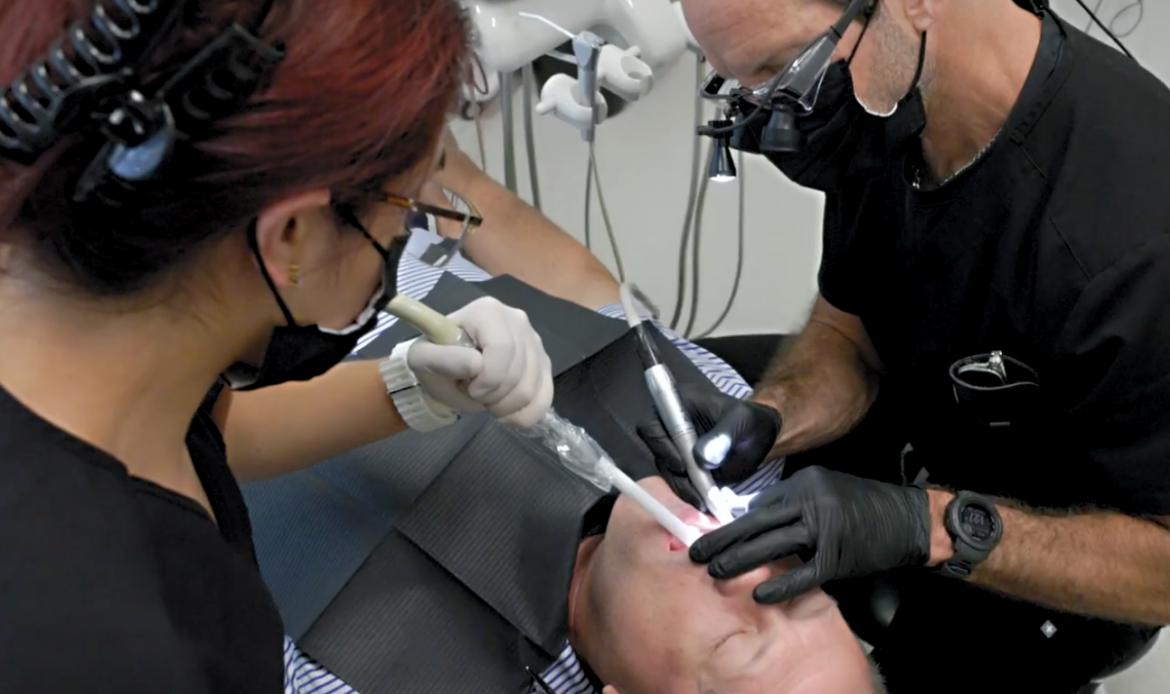
What Counts as a Tooth Infection Emergency
A dental emergency means the problem could threaten your health, breathing, or long-term function if treatment is delayed. An urgent dental problem still needs prompt care. However, it usually does not involve airway compromise, severe facial swelling, or signs that infection is spreading.
A tooth infection can start inside one tooth. From there, it can move into the gums, jaw, neck, or bloodstream. Oral infections follow spaces in soft tissue and bone. That is why swelling around the face and jaw matters more than pain alone. It is also why a tooth abscess should never be treated as “just a bad toothache.”
Two common infections are a periapical abscess, which forms at the tooth root, and a periodontal abscess, which starts in the gum and supporting bone. If you are unsure which one you have, this comparison of tooth vs gum infection helps explain the difference, but online information cannot diagnose you.
In Houston, many patients wait until pressure becomes severe or visible swelling appears, and that delay raises risk quickly. Weekend and after-hours planning matters because knowing where to go before symptoms escalate often prevents an urgent dental problem from becoming a medical emergency.
In severe cases, untreated infection can lead to sepsis, a life-threatening condition that requires immediate hospital care.
Tooth Infection Emergency Red Flags: Go Now (ER or Emergency Dentist)
Some symptoms mean a tooth infection emergency may be spreading beyond the tooth. These cases need immediate care. The most dangerous pattern is facial swelling with fever. This combination often means the infection is moving into deeper tissues instead of staying localized.
Airway and Swallowing Symptoms (ER-Level)
Go to the ER immediately if you have difficulty breathing, wheezing, throat tightness, or any sign of airway compromise. Difficulty swallowing and drooling are also serious warning signs. A muffled voice or rapidly increasing neck swelling can signal dangerous spread. Infections in the lower jaw can push into spaces that affect the airway.
Systemic Infection Symptoms
Fever of 100.4°F or higher with dental pain or swelling is more concerning than pain alone. Chills, fatigue, or a rapid heart rate can indicate systemic infection. Confusion or feeling faint are also serious signs. In these cases, the body is reacting beyond the mouth.
Severe Facial/Jaw Swelling and Eye Involvement
Rapidly worsening facial swelling or jaw swelling should be treated urgently. Firm, painful swelling around the cheek is also concerning. Swelling near the eye or vision changes can signal deeper spread. Inability to open the mouth normally is another warning sign. This is not a wait-and-see situation.
Tooth Infection Emergency Signs: Call an Emergency Dentist (Same-Day)
Many tooth infections do not require the ER, but they do require same-day evaluation by an emergency dentist. The key issue is the intensity and persistence of pain, because infection pain usually escalates instead of fading steadily.
Pain Patterns That Suggest Infection
A severe toothache that throbs, wakes you from sleep, or radiates to the jaw or ear often points to infection inside the tooth. Pain that builds over hours to a day, especially with pressure or biting, deserves urgent dental care even if swelling is still limited.
Visible and Sensory Clues
A bad taste in the mouth, pus drainage, or a gum “pimple” (often called a gum boil) can mean a draining abscess is present. Consistent gum bleeding, swelling, or tenderness may also signal underlying infection that needs evaluation.
If you want a deeper explanation of how an infection can worsen, this page on tooth infection spread outlines the progression clearly. The main takeaway is simple: drainage or reduced pain does not mean the infection is gone.
When to Go to the ER vs. When to Go to a Dentist
A simple rule helps most Houston patients decide fast. If you have airway symptoms, severe swelling, uncontrolled bleeding, dehydration, or systemic illness, go to the ER; if the problem is severe dental pain, localized swelling, or a suspected abscess without breathing or swallowing issues, call an emergency dentist for a possible tooth infection emergency.
Uncontrolled bleeding after dental trauma or infection-related complications should always be treated as an emergency.
ER Is Best For
The ER is best for difficulty breathing, difficulty swallowing, neck swelling, high fever with severe swelling, or severe vomiting that keeps you from holding down fluids. Hospital teams can manage medical risk, give IV treatment when needed, and stabilize dangerous infection patterns.
Emergency Dentist Is Best For
An emergency dentist is best for source control, which means treating the infected tooth directly with dental X-rays, drainage, root canal therapy, or extraction. Even if the ER prescribes antibiotics, most tooth infections still need definitive dental treatment because medicine alone usually does not remove infected tissue.
Calling ahead matters in Houston because same-day availability varies by hour and location. Asking whether the office offers imaging, abscess treatment, and referral coordination with an endodontist or oral surgery specialist can reduce delays when every hour matters.
Step-by-Step: What to Do While You’re Waiting for Care
The goal at home is to reduce discomfort without hiding danger signs. Safe self-care can buy time, but it should never replace prompt evaluation for a suspected tooth infection emergency.
Safe At-Home Measures
Use a cold compress on the outside of the cheek for 15 to 20 minutes at a time to help with swelling. A saltwater rinse can soothe irritated tissue, and sitting upright may reduce pressure compared with lying flat.
Over-the-counter options like ibuprofen or acetaminophen (NSAIDs) may help manage pain temporarily, but they do not treat the infection itself.
What Not to Do
Avoid applying heat to the face, as it can worsen swelling and speed the spread of infection in soft tissue. Trying to pop or drain an abscess is also unsafe, and placing aspirin directly on the gums can burn tissue without treating the cause.
For a suspected tooth infection emergency, avoid taking leftover antibiotics, including amoxicillin, unless a clinician prescribed them for this specific episode. The wrong drug, dose, or timing can delay proper care and make the infection harder to manage.
What to Bring/Share With the Dental Team
Bring a symptom timeline, any fever readings, and photos if facial swelling has changed over time. Share your medication list, allergies, especially to penicillin, and medical conditions that affect healing or infection risk.
Tooth Infection Emergency Treatment: What to Expect (and Why Antibiotics Alone Aren’t Enough)
The main principle in treating a tooth infection is source control. That means the dentist must remove or access the infected tissue through incision and drainage, root canal therapy, or extraction, because antibiotics alone often cannot fully penetrate a closed infection space.
Common Dental Treatments for Infection
Root canal therapy removes infected pulp from inside the tooth, disinfects the canal space, and seals the tooth to prevent reinfection. Extraction is recommended when the tooth cannot be saved predictably, and patients who lose a tooth may later review options such as why should I consider a dental implant to replace my missing tooth or why would I get dental implants after a tooth extraction.
When Antibiotics Are Used
Antibiotics are more likely when there is fever, spreading swelling, immune risk, or evidence the infection extends beyond the tooth. The American Dental Association (ADA) notes that antibiotics are not always needed for localized dental pain, which matters because overuse can mask symptoms without fixing the source.
Pain often starts improving before the infection is fully controlled, so follow-up matters even when you feel better. Stopping treatment early is one reason infections return.
Do not take leftover antibiotics, including 500 mg amoxicillin, unless a clinician prescribed them for this episode. The wrong drug, dose, or timing can delay proper care and contribute to antibiotic resistance, making future infections harder to treat.
Common Mistakes Houston Patients Make (and How to Avoid Them)
The most common mistake is waiting for swelling to “go down” before calling. In real practice, mild pressure, a bad taste in the mouth, or small gum swelling often mark the stage when treatment is easier and complications are less likely.
Delays That Increase Risk
Some patients ignore mild swelling, pressure, or drainage until facial swelling appears. Others assume no fever means no danger, but a spreading infection can still be serious before a high fever develops.
Self-Treatment Pitfalls
Stopping antibiotics early once pain improves is a frequent error that can allow the infection to rebound. Using leftover medication, mixing pain relievers unsafely, or relying on urgent care without dental follow-up also creates a false sense of safety.
If gum disease is part of the problem, untreated infection can contribute to tooth loss over time. This overview of gum disease tooth loss explains why infections in the supporting tissues should not be ignored.
Houston Tooth Infection Emergency: Getting Help Fast
Houston’s size affects dental emergencies because traffic, distance, and after-hours access can delay care. Patients often travel from Katy, Sugar Land, The Woodlands, Pearland, Cypress, Memorial, and the Energy Corridor, so choosing a clinic that can triage quickly and coordinate specialty treatment for a tooth infection emergency matters.
Dr. Friedberg & Associates offers urgent dental care, which helps patients get evaluated and treated without unnecessary delays.
Service-Area and Access Considerations
When you call, ask whether the office has same-day availability, dental X-rays, abscess treatment, and referral options for endodontics or oral surgery. A clinic that can move from diagnosis to treatment faster often reduces the chance that a manageable tooth abscess turns into an ER visit.
How Dr. Friedberg & Associates Helps
Dr. Friedberg & Associates focuses on early diagnosis and fast intervention, which is critical because dental infections rarely improve safely through delay alone. The team can help patients decide whether to come in for urgent dental care or go straight to the ER when symptoms suggest airway risk, severe swelling, or systemic illness.
For patients already looking for an emergency dental care page, calling early is usually the smartest move. Clear triage guidance saves time, and time is often the difference between a routine urgent visit and a medical emergency.
FAQs
When do I go to the ER for a tooth infection?
Go to the ER if you have difficulty breathing, difficulty swallowing, rapidly worsening facial swelling or neck swelling, high fever, or feel faint or severely ill. Those signs can point to spreading infection or airway compromise.
What is the 3 3 3 rule for tooth infection?
The “3-3-3 rule” is an online triage idea, not a formal medical standard. If symptoms are severe, worsening, or include swelling or fever, do not wait on a rule of thumb; call an emergency dentist or go to the ER.
How long does 500 amoxicillin take to get rid of a tooth infection?
Amoxicillin may reduce symptoms within 24 to 72 hours, but it often does not cure the source by itself. A true tooth infection usually still needs drainage, root canal therapy, or extraction.
Can your body fight off a tooth infection by itself?
Symptoms can rise and fall, but the source often remains inside the tooth or gum. Delaying care increases the chance that the infection spreads into the jaw, face, or deeper tissues.
A tooth infection emergency is not defined by pain alone. If you are dealing with swelling, fever, drainage, or a severe toothache in Houston, contact Dr. Friedberg & Associates for guidance and prompt care, and go straight to the ER if breathing or swallowing becomes difficult.