
A lot of people lose one tooth, feel fine, and assume they can deal with it later. When patients ask about missing tooth replacement and How Long Can You Go Without Replacing a Missing Tooth?, the real answer depends less on pain and more on what is changing under the gums and across the bite. This guide explains what usually happens over time, what risks rise as months pass, and how Houston patients can decide when waiting is still reasonable.
In many cases, patients postpone missing tooth replacement simply because daily life still feels normal.
Why This Question Matters in Houston (Even If You’re Not in Pain)
A missing tooth can stay quiet for a long time, but the mouth rarely stays still. Tooth shifting, super-eruption from the opposing tooth, speech changes, and early facial structure changes can begin before you notice obvious symptoms.
That matters in Houston because long commutes, packed workdays, and delayed appointments often stretch a short postponement into a year or more. A delay that feels harmless can reduce future options, especially if bone shrinks enough to affect implant placement and later osseointegration.
According to the CDC’s oral health guide, missing teeth can affect chewing, speech, bone health, and overall quality of life.
What Patients Commonly Notice First vs. What Dentists See First
Most patients first notice a visible gap, food getting stuck, or chewing feeling awkward on one side. Dentists often spot early bone loss, drifting teeth, and subtle occlusion changes on imaging before the patient feels anything significant.
A single missing tooth can also change how force moves through the rest of the mouth. That shift in pressure matters because nearby teeth may wear faster even when the gap itself does not hurt.
What Happens After a Tooth Goes Missing: A Practical Timeline
There is no single safe waiting period for every patient. Risk rises with time, and the pattern depends on where the tooth was, how healthy the gums are, and whether the bite was stable before the tooth was lost.
Most problems build slowly rather than all at once. Shifting teeth, gum deterioration, bone remodeling, and bite instability usually progress in stages, which is why an early missing tooth replacement exam helps define your treatment timeline and the trade-offs of waiting.
First Days to Weeks
Right after a tooth is lost or removed, the socket starts healing and the clot protects the area. If the missing tooth was a molar, many people notice the bite feels off because a major chewing contact is suddenly gone.
This early stage is when temporary options can help most. A flipper or other short-term replacement can support appearance and function while you decide on a longer plan.
First 3–6 Months
Bone remodeling becomes more important during this window because the jaw no longer receives stimulation from the tooth root. That loss of function can lead to visible narrowing of the ridge, and tipping teeth may begin to lean into the open space.
The opposing tooth may also start moving downward or upward into the gap. Once that movement starts, restoring the space later can become more complex than patients expect.
Beyond 6–12 Months and Into Years
After many months or years, the site often shows more bone loss and soft tissue collapse. That can increase the chance that you will need bone grafting or other site development before a missing tooth replacement implant can be placed predictably.
hereLong delays can also change the whole bite, not just the empty space. As teeth drift and contacts change, some patients develop uneven wear, jaw soreness, or harder-to-clean areas that raise gum disease risk.
The Biggest Risks of Waiting Too Long
The main risk is not just the empty space itself. The bigger issue is that the mouth adapts around the gap, and those changes can make future treatment more expensive, slower, and less straightforward.
Bone loss can reduce implant options, while tooth movement can create a food trap that holds plaque and irritates the gums. That combination matters because a simple replacement can turn into a multi-step plan involving grafting, bite adjustment, or orthodontic correction.
Bone Loss and Why It Changes Treatment Plans
Without a root in the jaw, the bone in that area starts to resorb because it is no longer being loaded during chewing. The more bone that disappears, the more likely a patient may need grafting, a narrower implant, or in the upper back jaw, even a sinus lift.
This is one reason dentists encourage early evaluation even when treatment must wait. Preserving bone now often protects simpler choices later.
As bone resorption continues, the jawbone can lose both height and width around the missing tooth area. In more advanced cases, patients may no longer qualify for immediate implant placement without additional grafting procedures. Implant eligibility depends heavily on how much healthy bone remains to support long-term stability.
Bite Changes: The “Hidden” Consequence
Many patients underestimate bite changes because they happen gradually. Neighboring teeth can lean, the opposing tooth can drift, and chewing efficiency can drop long before pain appears after delaying missing tooth replacement.
Those small changes can spread force unevenly across the mouth. Over time, that can contribute to cracked teeth, sore jaw muscles, and restorations that wear out faster.
As neighboring teeth shift, misalignment and occlusion problems can slowly develop across the bite. Some patients also begin clenching harder at night, which may contribute to TMJ discomfort, bruxism, and uneven pressure on surrounding teeth.
Front Tooth vs. Back Tooth: How Urgent Is It?
Front and back teeth create different problems when they are missing, but both deserve attention. The location changes what you notice first, not whether the gap matters.
A front tooth usually pushes patients to act sooner because appearance, speech, and confidence are affected right away. A missing molar may feel less urgent, yet molars carry heavy chewing forces and help stabilize the bite.
If It’s a Front Tooth
A missing front tooth often needs a temporary cosmetic solution quickly, especially for work and social settings. Early replacement planning also helps preserve gum contours and papilla, which are critical for a natural-looking result later.
That timing matters because soft tissue around front teeth can collapse faster than patients expect. Once those contours flatten, rebuilding esthetics becomes more difficult.
Beyond appearance concerns, front tooth loss can affect speech clarity and facial balance over time. Even subtle facial structure changes may become more noticeable as surrounding gums and bone lose support.
If It’s a Molar
A missing molar often leads patients to chew on the other side without realizing how much extra load they are creating. That habit can increase wear, strain, and fracture risk on the remaining teeth that now do more work.
The opposing molar may also super-erupt into the open space. If that happens, the room needed for a future restoration can shrink.
Step-by-Step: How to Decide Whether You Can Wait (Houston Checklist)
The first step is an exam with imaging to see current bone levels, space changes, gum health, and bite stability before planning missing tooth replacement. A decision about waiting should be based on evidence, not on whether the site hurts.
Your medical history also affects the answer. Diabetes, smoking, healing patterns, and past periodontal disease can all change the treatment timeline because they influence infection risk, bone stability, and long-term success.
What a Houston Dental Evaluation Should Include
A useful evaluation includes a clinical exam of the missing-tooth site, adjacent teeth, gum health, mobility, and how the teeth meet. If an implant is being considered, X-rays or a CBCT scan help measure bone volume and nearby anatomy.
That imaging does more than confirm whether an implant fits today. It also helps estimate what may change if treatment is delayed.
During the consultation, the dentist reviews your medical history, evaluates X-rays or a CBCT scan, and checks for factors like diabetes or smoking that may affect healing. These details help determine treatment timeline, implant durability comparison, and whether additional site development may be necessary.
Red Flags That Mean “Don’t Wait”
Do not wait if you notice rapid shifting, food packing, gum inflammation, or a change in how your teeth come together. Patients with bruxism, periodontal disease, or several missing teeth usually have less margin for delay because forces and inflammation are already harder to control.
If you are unsure whether your gums are stable, read more about gum disease without pain. Silent inflammation is one of the main reasons a gap can become a larger restorative problem.
Tooth Replacement Options in Houston (Pros, Cons, and Typical Timelines)
The best missing tooth replacement depends on bone, gums, bite, budget, and whether nearby teeth already have large fillings or crowns. Patients should compare not only speed and cost, but also maintenance, durability, and how each option affects surrounding teeth.
In general, implants preserve bone best, fixed bridges can be faster without surgery, and removable options often work well as interim solutions. The right choice is the one that fits both your current condition and your long-term plan for missing tooth replacement.
Dental Implant
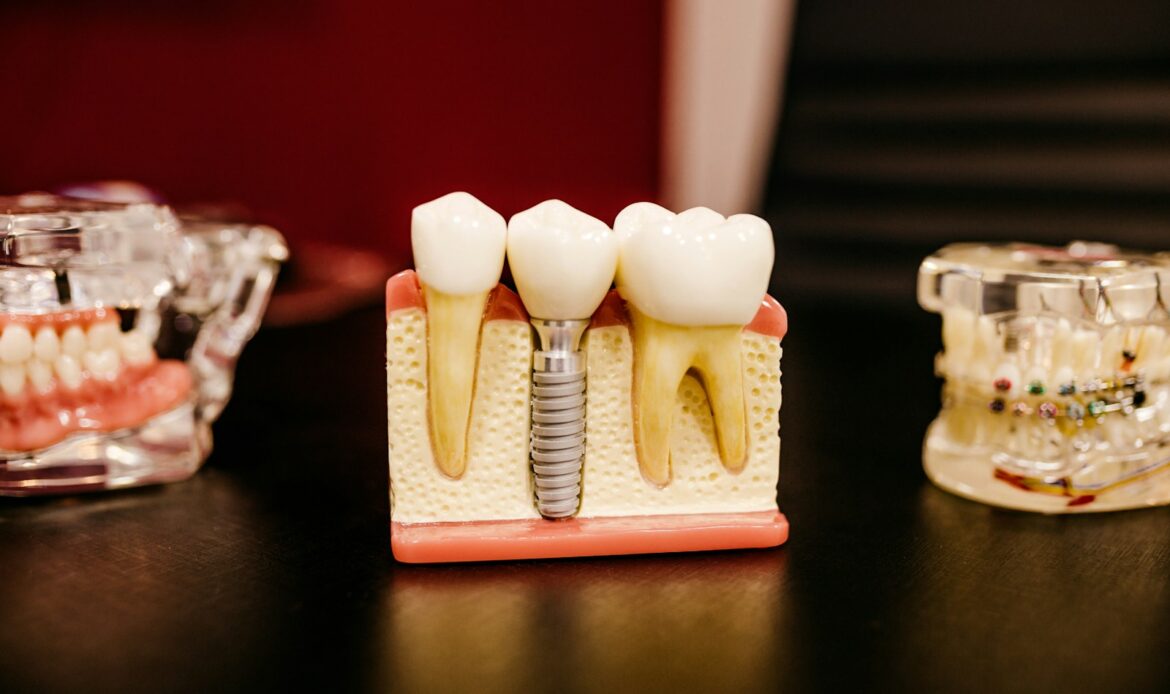
A dental implant replaces the missing root and is later restored with an abutment and dental crown. Because the implant loads the bone, it offers the best chance to limit future shrinkage once healing and osseointegration are complete.
After placement, the implant gradually fuses with the bone through a process called osseointegration. Once healing is complete, the final restoration usually includes an abutment and a custom dental crown designed to restore appearance and chewing efficiency.
If bone is already thin, grafting may be needed before or during placement. For a deeper comparison, see why should i consider a dental implant to replace my missing tooth and how long do dental implants last.
Fixed Bridge
A bridge can restore chewing and appearance without implant surgery. The trade-off is that adjacent teeth usually need to be reshaped to support the bridge, and the jawbone under the missing tooth still does not receive stimulation.
Cleaning under the pontic is essential. If hygiene slips, inflammation and decay risk around the support teeth can rise.
In a traditional bridge, the replacement tooth is called a pontic and is supported by neighboring teeth. While this option restores function quickly, it does not prevent ongoing bone loss beneath the implant post area because no root stimulation remains.
Flipper or Partial Denture
A flipper or partial denture is often the fastest and most budget-friendly way to fill a gap temporarily. It can help with appearance and speech, but it may feel bulky at first and can break if handled roughly.
These appliances work best when patients understand they are often transitional. They solve a short-term problem, not always the long-term one.
Real-World Examples: What “Waiting” Looks Like in Practice
In practice, many patients wait because nothing hurts and daily life feels manageable. However, imaging often reveals bone loss and drifting teeth by the time they return. In some cases, the missing tooth replacement plan also becomes more complex than expected.
That pattern is common because these changes happen gradually. Over time, even one missing tooth can affect bite balance and chewing support. This becomes more noticeable when patients chew on one side for years.
A patient loses a molar, avoids treatment, and keeps chewing on the other side. As time passes, the opposing tooth may begin to super-erupt. Meanwhile, the restorative space can narrow enough to require adjustment or orthodontic correction before the final restoration fits properly.
Case Example: Missing Front Tooth After Trauma
A patient loses a front tooth in an accident and delays replacement after the area heals. As months pass, the gums and bone contour flatten, which makes a natural esthetic result harder to achieve than if a temporary tooth had been placed earlier.
Common Mistakes to Avoid When You’re Missing a Tooth
The biggest mistake is assuming no pain means no problem. Many of the most important changes happen silently, which is why follow-up imaging matters even if the space seems stable.
Another mistake is choosing a quick fix without asking how it affects bone, nearby teeth, and future maintenance. A fast option can still be the right option, but only if you understand what it does and does not preserve.
How to Protect the Area If You Must Delay Treatment
Keep the area clean, especially around adjacent teeth where plaque and food collect easily. In addition, if the gap affects speech, appearance, or function, ask about a temporary replacement. This can help reduce movement while you plan definitive care.
There is no universal deadline, but the risk usually increases as months turn into years. Because of that, early evaluation helps protect your treatment choices. In many cases, it also lowers the chance that you will need grafting or more complex treatment later.
If timing or cost is the main barrier, ask about a phased treatment plan. Many Houston patients start with a temporary tooth first. Later, they move forward with a definitive restoration when the schedule and budget make better sense.
Questions to Ask at Your Consultation
Ask how much bone is present today and what changes your dentist expects if you wait another 6 to 12 months. Also ask which option best protects your bite, surrounding teeth, and long-term oral health.
FAQs
How long can I wait to replace a missing tooth?
There is no fixed deadline for everyone. Waiting months or years increases the chance of bone loss, tooth movement, and bite changes, so an early exam is the best way to learn your personal window.
What is the 2 2 2 rule for teeth?
It usually means brush 2 times a day for 2 minutes and see a dentist about 2 times a year. Some people need more frequent visits based on decay risk or gum disease history.
What is the 3-3-3 dental rule?
It is often used as a simple reminder for urgent dental problems: call within about 3 hours, try to be seen within 3 days, and do not let an unresolved issue drag on for 3 weeks. Your dentist may advise faster care depending on symptoms.
How much does a 1 tooth flipper cost?
Cost varies by materials, design, and how much adjustment the case needs. Many offices quote anywhere from a few hundred dollars upward, so ask for an itemized estimate that includes the exam, impressions, and follow-up adjustments.