
A painful tooth often creates the same urgent question: should it come out, or is there a reliable way to keep it. For patients searching around Do I Need a Tooth Extraction or Can It Be Saved?, the right answer depends less on pain alone and more on prognosis, restorability, and infection control. This guide explains how dentists in Houston, TX evaluate severe tooth decay, tooth infection, gum disease, cracks, and bone loss before recommending root canal therapy, periodontal treatment, or tooth extraction.
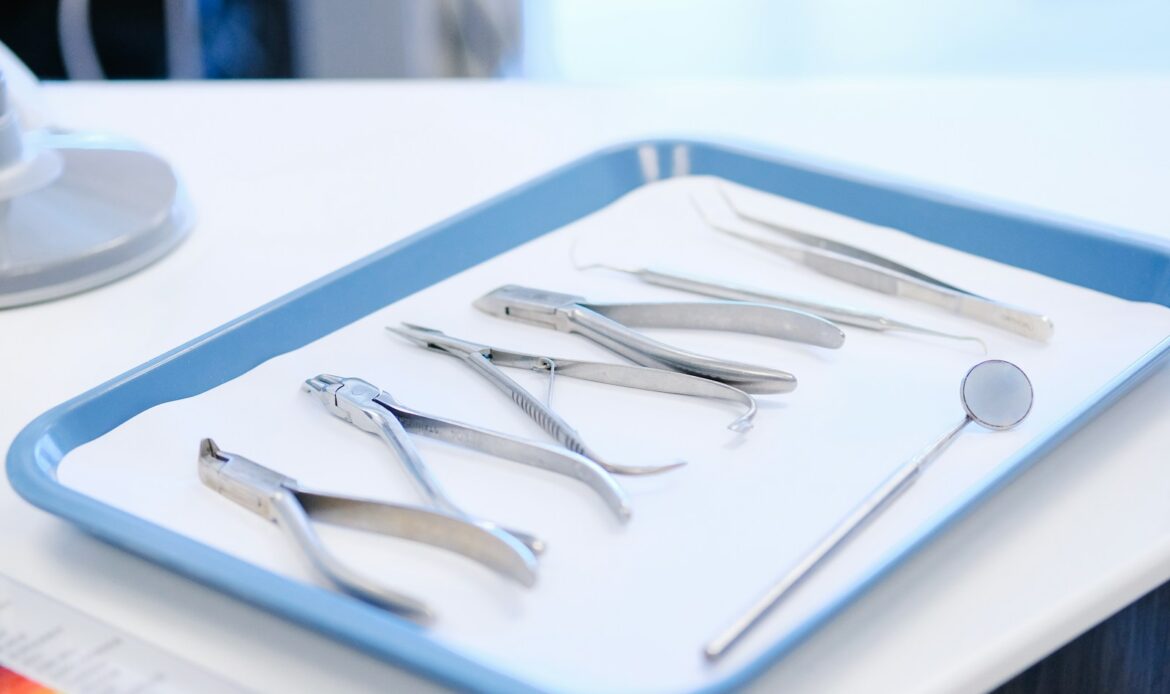
How Dentists in Houston Decide: Extract or Save
Dentists and specialists in periodontics, endodontics, and implant dentistry usually try to keep a natural tooth when long-term function is realistic. Dentists extract a tooth when they cannot control infection, when too little structure remains, or when gum and bone support make long-term success unpredictable.
Key decision factors usually include:
- infection control and whether an abscess can be definitively treated
- remaining tooth structure and overall restorability
- bone loss, periodontal pockets, and tooth mobility
- bite alignment, occlusion, and long-term chewing function
- whether saving the tooth creates a better long-term prognosis than replacement
A quick pull is not always the simplest answer because extraction can trigger replacement needs such as a dental implant, dental bridge, or even full-arch restoration in more extensive cases. A Houston evaluation should include a clinical exam, dental X-rays or a panoramic X-ray, and a direct discussion of prognosis rather than a recommendation based only on short-term pain relief.
The Prognosis Mindset (Short-Term Relief vs. Long-Term Stability)
Pain can improve after either root canal therapy or extraction, but relief does not equal long-term stability. When patients ask, can a tooth be saved, the answer depends on how well the tooth can hold up over time. Even when a dentist treats a tooth successfully, it may still fail if it fractures, becomes reinfected, or lacks enough support to hold a stable dental crown.
Red Flags That Often Mean Extraction Is the Safer Choice
Some findings strongly suggest that a tooth is not fixable in a predictable way. Severe tooth decay that extends below the gumline or deep into the root often prevents a crown from sealing properly, which raises the risk of recurrent infection and restoration failure.
Other major red flags include:
- vertical root fracture
- split tooth
- uncontrolled infection despite appropriate care
- advanced periodontal disease with severe bone loss
- significant tooth mobility that interferes with chewing or comfort
Dentists extract a tooth when they cannot control infection, when too little structure remains, or when gum and bone support cannot maintain long-term stability. The American Dental Association supports diagnosis based on clinical findings and imaging, which matters because non-restorable teeth often look less severe to patients than they do on radiographs.
Trauma, Cracks, and Structural Failure
Dental trauma from severe trauma, sports injuries, or accidents can leave too little tooth structure for a predictable restoration. Pain can improve after either root canal therapy or extraction, but relief does not equal long-term stability. Even when a dentist treats a tooth successfully, it may still fail over time if it fractures, becomes reinfected, or lacks enough support to hold a stable dental crown.
Infection Control and Risk of Spread
Antibiotics can reduce swelling temporarily, but they only support healing. They do not cure a dead nerve, drain a closed infection, or rebuild lost support. Antibiotics may reduce swelling temporarily, but they are supportive only and do not cure a dead nerve, drain a closed infection, or rebuild lost support.
A persistent abscess can threaten the surrounding bone and increase infection spread into nearby spaces if definitive treatment is delayed. The MedlinePlus dental abscess resource explains how untreated infections can spread and why prompt care is important.
Signs your tooth can often be saved (even if it hurts)
Pain does not automatically mean you need an extraction. Dentists can often save a tooth when the structure is restorable, the roots remain intact, and the surrounding gum and bone provide stable support.
Common saveable situations include:
- decay or damage that dentists can restore with a filling, onlay, or dental crown
- endodontic disease that responds to root canal therapy
- gum disease that improves with periodontal treatment
- bite-related pain caused by occlusion problems rather than irreversible structural failure
A structurally sound tooth with inflamed pulp can respond well to treatment by an endodontist, especially when the final crown seals it properly. Likewise, periodontal treatment can preserve teeth with manageable bone loss through deep cleaning, scaling and root planing, and targeted follow-up when periodontal pockets shrink and function remains stable.
Save Options Your Dentist May Recommend
Root canal therapy plus a dental crown is a common strategy when infection is inside the tooth but the outer structure can still be reinforced. Periodontal treatment, including deep cleaning or localized surgery, may stabilize support when gum disease is active but not yet beyond recovery.
Step-by-Step: What a Houston Tooth-Saving vs. Extraction Workup Looks Like
A proper workup starts with a clinical exam, not a guess based on symptoms. When patients ask can a tooth be saved, dentists check for swelling, drainage, periodontal pockets, bite tenderness, tooth mobility, and whether the pain comes from bite alignment rather than a hopeless tooth.
Imaging adds detail that a visual exam cannot provide. Dental X-rays reveal decay, bone levels, and infection patterns, while CBCT helps assess roots, fractures, bone defects, impacted wisdom teeth, and complex cases that may require surgical extraction.
Next comes a restorability review. Dentists evaluate the remaining tooth structure, ferrule, and margin placement. They also determine if crown lengthening will support a long-lasting restoration.
Questions to Ask at the Appointment
Ask these questions clearly:
- Is this tooth restorable, and is the prognosis good, fair, or poor?
- If we save it, what could fail next and how would that be treated?
- If we extract it, what replacement timeline do you recommend?
When a Second Opinion Makes Sense
A second opinion is reasonable when one office recommends saving a tooth and another recommends extraction. It is especially useful in complex cases involving cracked teeth, advanced periodontal disease, implant planning, or uncertain long-term prognosis.
If Extraction Is Needed: What Happens Next (Replacement Options)
Dentists perform a simple extraction when they can see the tooth and remove it without extensive surgical access. They perform a surgical extraction when teeth are broken, roots are difficult, or wisdom teeth are impacted.
After a tooth extraction, replacement planning matters because missing teeth can shift bite forces and affect neighboring teeth. Common options include dental implants, dental bridges, and partial dentures, and each option has different tradeoffs in cost, maintenance, and long-term impact on nearby teeth.
Dentists often recommend socket grafting or bone grafting to preserve ridge shape after removal. In some cases, dentists place an implant immediately, but staged healing offers a safer approach when infection, thin bone, or soft tissue conditions reduce predictability.
Dental Implant vs. Bridge: How to Think About the Decision
A dental implant usually preserves adjacent teeth because it does not require reshaping them for support. A dental bridge can be faster in some cases, but the decision should reflect bone levels, gum health, bite forces, and treatment planning specific to Houston patients.
Recovery, Comfort, and Common Missteps to Avoid
Dry socket risk rises when the clot becomes disturbed. When patients ask, can a tooth be saved, they often focus on treatment choices, but proper healing after extraction matters just as much. Smoking, straws, aggressive rinsing, and heavy activity can dislodge the clot and delay recovery.
same herePain should improve steadily after the procedure. If pain increases instead of improving, or if swelling, fever, foul taste, or drainage appear, the site may not be healing properly and needs evaluation.
Common mistakes include:
- delaying care for a tooth infection
- relying on antibiotics alone
- skipping the crown after a root canal
- ignoring bite alignment problems that keep overloading a tooth
When to Call a Dentist Urgently
Call urgently for rapidly increasing swelling, trouble swallowing, trouble breathing, or spreading facial pain. Also call if pain spikes after initial improvement or if persistent drainage and a severe bad taste suggest active infection.
Costs in Houston: What Typically Changes the Price
In Houston, TX, costs vary based on complexity rather than on a single flat fee. A simple extraction usually costs less than a surgical extraction, and imaging, IV sedation, general anesthesia, grafting, and specialist care all affect the final estimate.
Saving a tooth can also involve multiple components. Root canal therapy, buildup, a dental crown, periodontal treatment, and follow-up visits may exceed the price of extraction alone, but extraction plus replacement can cost more over time.
Financial considerations should focus on total predictability, not just the first appointment. Insurance coverage also varies by deductible, annual maximum, and whether the plan separates benefits for endodontics, periodontics, oral surgery, and implants.
How to Compare “Save vs. Extract” Estimates Fairly
Patients in Houston often start with a general dentist. They may then see an endodontist, periodontist, or oral surgeon depending on the problem. Matching the right specialist to the diagnosis matters. Root, gum, and extraction problems can look similar, but they require different expertise.
Convenient follow-up also affects outcomes. Patients from Energy Corridor, River Oaks, The Heights, Midtown, Montrose, West University Place, Memorial, Galleria/Uptown, Sugar Land, Katy, Bellaire, and Pearland often recover better when they can attend post-op checks, crown delivery, and implant maintenance without difficulty.
Houston schedules and climate also affect recovery planning. When patients ask can a tooth be saved, they often focus on treatment decisions. Recovery conditions also play an important role. Heat, dehydration, traffic, and missed meals can make healing harder. Scheduling a same-week evaluation, staying hydrated, and planning meals can support recovery and reduce complications.
What to Do Next
If you are in pain, schedule an exam as soon as possible. Do this before the problem turns into a larger tooth infection or more extensive bone loss. Bring questions and ask for a clear prognosis. Make your decision based on long-term stability, not on whichever option seems fastest that day.
FAQs
How can you save a tooth instead of extraction?
Dentists often cannot save non-restorable teeth. These include teeth with a vertical root fracture, a split tooth, deep decay below the bone, or severe bone loss with a poor prognosis. Dentists also recommend extraction when they cannot control infection.
What is the 3-3-3 rule for teeth?
This phrase often refers to post-extraction care, but dentists may define it differently. A common version includes three steps. Bite on gauze for about 30 minutes. Avoid rinsing and strenuous activity for 24 hours. Begin gentle saltwater rinses after the first day.
How much does a tooth extraction cost in Houston?
The price depends on whether you need a simple extraction or surgical extraction, plus sedation, imaging, and grafting needs. A Houston dentist can give the most accurate estimate after an exam and X-rays.
At what point are teeth not fixable?
Dentists often cannot save non-restorable teeth. These include teeth with a vertical root fracture, a split tooth, deep decay below the bone, or severe bone loss with a poor prognosis. Dentists also recommend extraction when they cannot control infection.
The central decision is not just about pain. It is about long-term health and function. A tooth must remain stable and maintainable for years. Dentists evaluate restorability, infection control, bone support, and replacement options together. This approach leads to a clearer and more useful recommendation than a simple save-or-extract decision.