
Many Houston patients ask the same thing before dental implant surgery: will I be awake for all of it, or can I sleep through it? People searching for asleep dental implants are usually worried about comfort, fear, and how much they will remember during the procedure, not just the name of the sedation medication.
That distinction matters because sedation and pain control are not the same thing. This guide explains what “being asleep” really means during implant surgery, how Houston dentists choose sedation options, what the appointment feels like, and how to decide which level of sedation may be right for you.
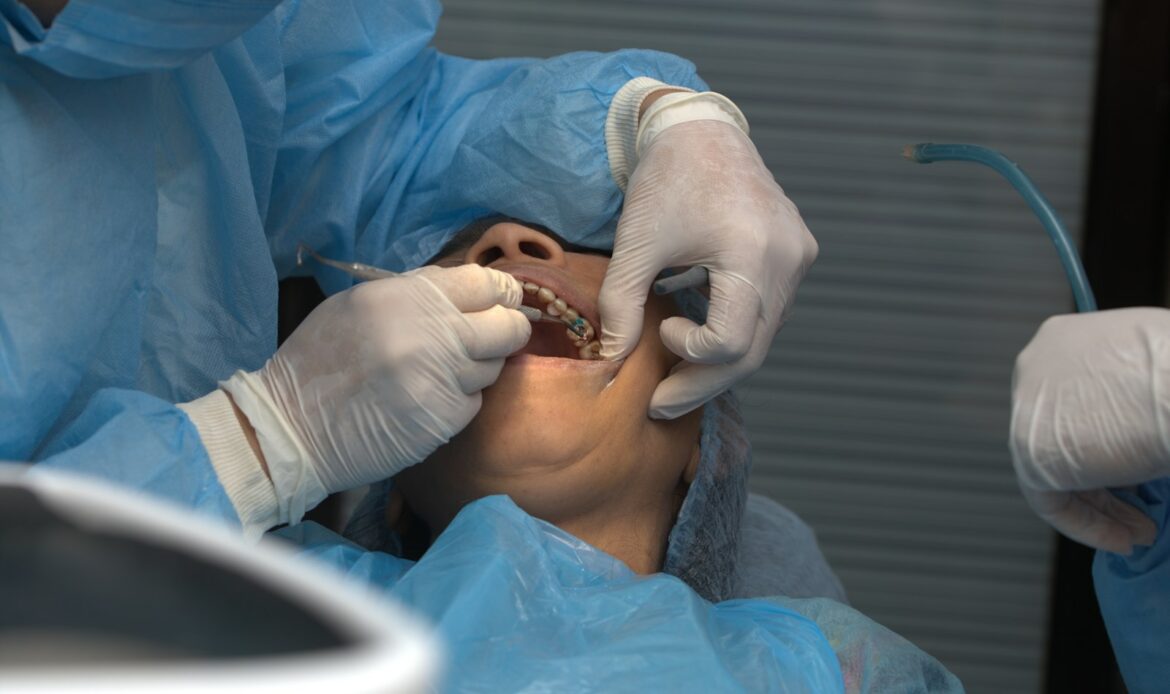
What “Asleep” Really Means During Implant Surgery
Most patients who say they want to be “asleep” during dental implant surgery are not asking for full unconsciousness. In many Houston practices, including areas like The Galleria, The Heights, and West University, that feeling is more often created with intravenous (IV) sedation plus local anesthesia than with true general anesthesia.
IV sedation can make time feel blank, reduce awareness, and create little or no memory of the visit. That is why many patients later say they “slept,” even though they may have still responded to instructions during treatment.
Local anesthesia is still the foundation because it blocks pain at the surgical site. Sedation helps with fear, body tension, and memory, but numbness is what keeps implant surgery comfortable.
Why Two Patients Can Have Two Different Sedation Experiences
Two people can receive similar medication and describe very different visits. Anxiety, poor sleep, medication interactions, alcohol use, and natural tolerance can all change how deeply sedated someone feels.
The other major factor is sedation titration. A careful provider adjusts medication during the appointment, which is often more important than the starting dose because implant surgery does not stay equally stimulating from start to finish.
Pain Control vs Anxiety Control
Pain control and anxiety control work together, but they do different jobs. Local anesthesia stops pain in the mouth, while sedation reduces fear, awareness, and memory of the procedure.
That is why a patient can be very calm yet still need more numbing, or fully numb but still feel panicked without sedation. Knowing that difference helps patients ask better questions at the dental consultation.
Step-by-Step: How Houston Dentists Decide If You Can Sleep Through It
A dentist or oral surgeon starts with your health history, current medications, and the details of the planned surgery. That first dental consultation is where the real sedation decision happens, because the safest plan depends on both your body and the procedure.
A short single-implant visit may need only local anesthesia, while full-arch implants often justify deeper sedation because the chair time is longer and the steps are more involved. Patients asking about asleep dental implants are often surprised to learn that many procedures can feel fast and comfortable with the right sedation approach. Houston offices also review practical issues such as fasting rules, time off work, and the escort requirement if oral or IV sedation is used.
Clinical Factors That Drive the Sedation Plan
The treatment plan matters because complexity changes the stress on both patient and provider. Bone grafting, a sinus lift, tooth extraction, or multiple implants can increase procedure length and make deeper sedation more helpful.
Airway assessment also matters before any sedative is chosen. If breathing risk is higher, the dentist may recommend a lighter option or refer care to a setting with more advanced anesthesia support.
Comfort Factors That Matter Just as Much
Comfort factors can be as important as surgical factors. A patient with dental phobia, a strong gag reflex, trouble getting numb, or a bad past experience may benefit from sedation even for a simpler procedure.
Fear-driven delays are common in implant care. Many patients who wait years for treatment are not avoiding the implant itself; they are avoiding the idea of being awake for surgery.
Sedation Options for Dental Implants in Houston (From Awake to Fully Asleep)
Sedation for dental implants exists on a spectrum, not in an all-or-nothing choice. Houston patients may be treated with local anesthesia alone, laughing gas, oral sedation, IV sedation, or general anesthesia depending on the office, provider training, and case difficulty.
Not every practice offers every option. Some dentists place routine implants in-office, while more complex cases are referred to an oral surgeon or surgical center for deeper anesthesia.
Local Anesthesia (Awake, Numb, No Pain)
Local anesthesia is the standard baseline for implant placement. You stay awake, can answer questions, and should feel pressure but not pain.
This option works well for straightforward cases and patients who are comfortable in the dental chair. It also offers the fastest recovery because there is no sedative “hangover.”
Nitrous Oxide (Laughing Gas) for Mild, Fast-Acting Relaxation
Laughing gas helps patients relax without putting them deeply to sleep. Its value is speed: it works quickly, wears off quickly, and is often enough for mild to moderate anxiety.
Because recovery is usually faster, some patients can resume normal activities sooner if the office allows it. Even so, local anesthesia is still needed to numb the implant area.
Oral Conscious Sedation (Deeper Calm, Some Awareness)
Oral sedation is taken before the appointment and can create drowsiness and patchy memory. It is useful for patients who want more calm than nitrous can provide but do not need the minute-by-minute adjustability of IV medication.
The tradeoff is less control once the medicine is swallowed. You will also need a ride home, because judgment and coordination can stay impaired after the visit.
IV Sedation (“Twilight Sedation”) for Complex or Longer Implant Visits
Twilight sedation is often the closest match to what patients mean when they say, “I want to sleep through it.” Dentists administer the medication through an IV and adjust it throughout the procedure. This approach works especially well for complex treatment plans or longer appointments.
Many patients remember little or nothing afterward. Still, some remain briefly aware at moments, so “feels asleep” is more accurate than “guaranteed unconscious.”
General Anesthesia (Fully Unconscious) When Medically Appropriate
General anesthesia causes full unconsciousness and doctors usually reserve it for extensive surgery or specific medical or behavioral needs. Dentists and oral surgeons often perform it in a surgical facility that provides advanced vital sign monitoring and recovery support.
That setting can be appropriate, but it is not automatically necessary for every implant case. The right question is not “Can I be fully out?” but “What level of sedation is safest and most appropriate for this surgery?”
Safety, Monitoring, and Who May Not Be a Candidate for “Being Asleep”
Sedation safety depends on screening, monitoring, and honest communication. During sedated implant surgery, teams commonly track oxygen saturation, blood pressure monitoring, heart rate monitoring, and your responsiveness throughout the visit.
Some health conditions can change the recommendation even if the patient strongly prefers to be asleep. Patients researching asleep dental implants should understand that the safest sedation plan is the one that fits their medical history, anxiety level, and procedure complexity, not simply the deepest level of sedation available.
Common Reasons Sedation Plans Change
Sleep apnea is one of the most common reasons a sedation plan may need adjustment. Significant heart or lung disease, pregnancy, prior reactions to sedatives, and interactions with benzodiazepines, opioids, or alcohol can also affect whether deeper sedation is appropriate.
Questions to Ask Your Houston Provider Before Sedation
Ask who administers the sedation and what training they have. You should also ask about the emergency equipment available on-site, how the team monitors patients during treatment, and the discharge requirements you must meet before going home.same
For general safety information, the American Dental Association offers useful patient guidance on sedation and anesthesia: ADA MouthHealthy.
What the Appointment Feels Like: Before, During, and After Sedation
Even with sedation, most patients still notice movement, vibration, or pressure during the procedure. However, sedation often changes time perception and creates an amnesia effect, which can make a long appointment feel surprisingly short. Patients researching asleep dental implants often feel relieved when they discover the procedure usually feels much easier than expected.
Afterward, grogginess and limited memory are common, especially with oral or IV sedation. That is why providers require an escort and recommend a low-demand day after surgery.
Before Surgery: Preparation That Improves Comfort
Follow fasting instructions exactly if your office gives them. Wear comfortable clothing, confirm your ride, and clear your schedule so you are not rushing back to work or childcare.
After Surgery: The First 24 Hours
Mild bleeding, swelling, and soreness are common in the first day. Avoid driving, alcohol, and major decisions after sedation, and follow written instructions about food, medication, and activity.
If you want a clearer picture of recovery, read will i be in pain after getting a dental implant and your guide to caring for your dental implants.
Examples: Real-World Scenarios Houston Patients Ask About
A single implant for one missing tooth is often manageable with local anesthesia, but anxiety can change that recommendation. A patient who is calm may do well awake, while a patient with severe fear may choose IV sedation for the same procedure.
Longer visits such as full-mouth implant reconstruction often benefit more from deeper sedation because comfort becomes harder to maintain over time. Patients searching for asleep dental implants are often trying to avoid fear and stress more than pain itself. Many people who delayed implants out of anxiety later say the surgery felt easier than the tooth pain that pushed them to seek treatment.
Scenario 1: “I Want to Be Out Cold” but It’s a Simple Implant
A dentist may still offer IV sedation for a simple implant if anxiety is high. However, patients should consider the added cost, the need for an escort, and the longer recovery time that comes with IV sedation compared to local anesthesia alone.
Scenario 2: Full-Arch or All-on-4 Style Treatment Planning
Full-arch implants often involve a more detailed treatment plan, possible extractions, and longer chair time. For patients traveling from Clear Lake or other outer Houston areas, that also means planning transportation and follow-up visits carefully.
If you are still deciding whether implants are worth it, these guides can help: why should i consider a dental implant to replace my missing tooth, why choose dental implants to replace teeth, and why would i get dental implants after a tooth extraction.
Common Mistakes That Make Sedation and Recovery Harder
The biggest avoidable problem is incomplete disclosure during the medical history review. Hidden medications, supplements, alcohol use, or recreational drugs can change sedation response and create preventable safety risks.
Another common mistake is ignoring pre-op instructions. Patients interested in asleep dental implants sometimes expect to be completely unconscious no matter the procedure, but sedation levels vary based on safety and treatment complexity. Skipping fasting rules, failing to arrange a ride, or misunderstanding the sedation process can turn a routine visit into a stressful one.
How to Avoid a “Rough” Sedation Experience
Ask how your dentist adjusts sedation during the procedure and what they will do if your anxiety increases unexpectedly. Also confirm the pain-control plan for later that day, especially for the period after the numbness wears off.same
Houston-Specific Logistics: Choosing the Right Setting for Sedation
Houston patients often choose between in-office sedation dentistry and a surgical center with broader anesthesia support. IV sedation dentistry can be very efficient for routine implant cases, but more complex patients may be safer in a higher-acuity setting.
Travel logistics matter more than people expect in Houston. Traffic, pickup timing, and distance from the office can affect both comfort and safety after sedation.
Houston Neighborhoods and Landmarks Patients Commonly Travel From
Patients often come from Downtown Houston, Midtown Houston, River Oaks, The Galleria, The Heights, West University, Clear Lake, and Sugar Land. If you live farther out, schedule follow-ups around school pickup, work hours, and rush-hour traffic so recovery is less stressful.
FAQs
Will I be asleep during a dental implant?
Not always. Most patients are numb with local anesthesia and may add nitrous, oral sedation, or IV sedation, which can feel like sleep but does not affect everyone the same way.
What is the 3 2 rule for implants?
It is a common healing or timing guideline discussed in implant planning, not a universal rule. Your dentist tailors timing to bone quality, the implant site, and your health history.
What is the most feared dental procedure?
Fear varies, but extractions and root canals are often mentioned most. Implant surgery sounds intimidating, yet modern numbing and sedation often make it feel calmer than patients expect.
What disqualifies you from dental implants?
Very few people are permanently disqualified from dental implants. However, uncontrolled gum disease, heavy smoking, poorly controlled diabetes, and low bone volume can reduce candidacy. The good news is that many of these issues can often be treated or managed before implant surgery.
The short answer is yes, some patients can feel asleep during dental implant surgery. However, that feeling usually comes from sedation and local anesthesia, not full unconsciousness. The best sedation plan depends on your health, anxiety level, and the complexity of the procedure. Clear expectations before surgery also help patients feel more comfortable and prepared.