
Full mouth implants can restore more than a smile after severe tooth loss. They can improve chewing function, support speech, help reduce jawbone shrinkage, and make everyday meals easier.
For many people in Houston, TX, full mouth implants offer a way to replace all teeth with a more stable, natural-feeling solution than a removable denture. Full mouth dental implants are designed to restore function, support long-term oral health, and improve confidence. The right plan depends on your bone support, medical history, bite force, goals, and whether you need one arch or both arches restored.
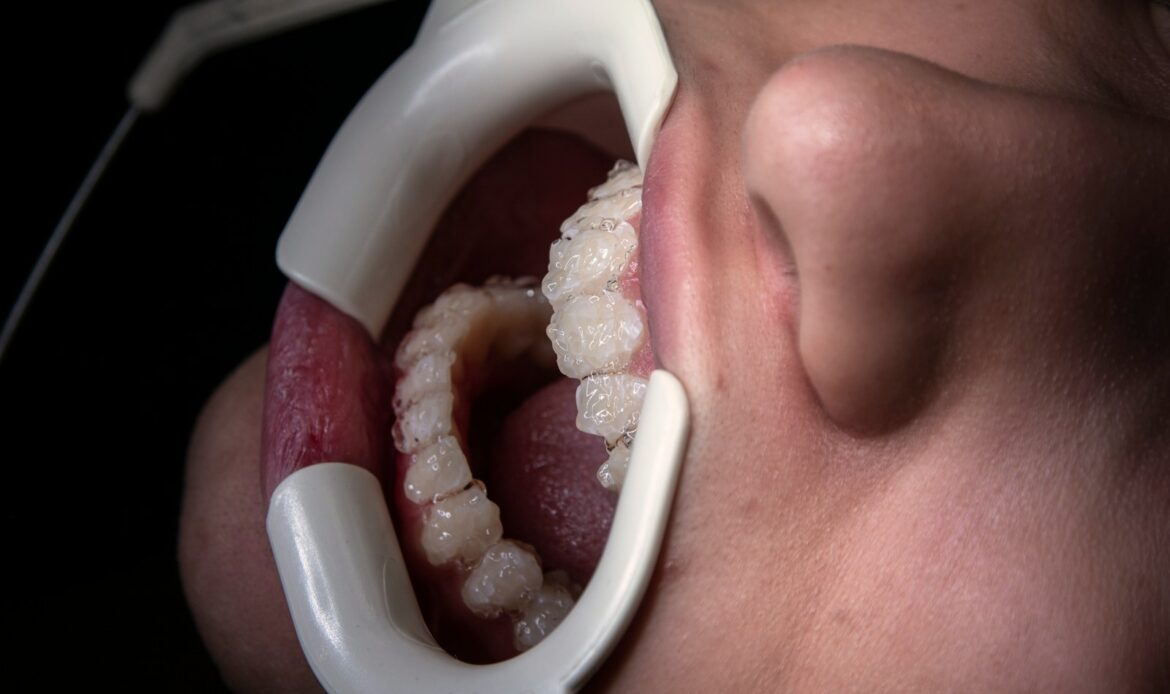
What Full Mouth Dental Implants Mean
Full mouth dental implants refer to replacing all teeth in one arch or both arches with implant-supported restorations. That may involve the upper arch, the lower arch, or a complete all teeth replacement across the full mouth.
This does not usually mean placing one implant for every missing tooth root. Instead, a smaller number of dental implants support an implant-supported bridge or an implant-retained denture.
That distinction matters. Many patients assume replacing all teeth means 24 to 28 separate implants, but most full arch dental implants cases use a strategic framework with four, five, six, or more implants per arch.
Patients in Houston often compare fixed teeth with removable dentures because comfort, confidence, and maintenance are very different. If you are weighing long-term options, it helps to review how permanent implant-supported teeth can replace a full arch before deciding between a fixed bridge and a removable design.
Full Arch vs Full Mouth
A full arch means replacing all teeth on one jaw, either the upper or lower arch. Many patients choose full mouth implants when one jaw has severe damage but the other still has healthy teeth.
A full mouth case means both the upper and lower arches need restoration. This creates a larger treatment plan and often becomes part of a broader full mouth reconstruction.
How Many Implants Are Usually Needed
Most full arch cases use four or more implants per arch. The exact number depends on jawbone volume, bite force, prosthetic design, and whether the case is fixed or removable.
All-on-4 and All-on-6 are treatment concepts built around this principle. In selected cases, angled posterior implants can avoid certain anatomical limits and reduce the need for bone grafting.
When It May Be Time for Full Mouth Implants
Patients usually reach this point after years of breakdown, not just one bad month. Many people consider full mouth implants when they deal with advanced gum disease, severe tooth decay, multiple missing teeth, repeated dental work that keeps failing, and widespread pain.
You may also notice teeth shifting, a collapsing bite, trouble chewing tougher foods, or speech changes. These issues go beyond cosmetics and often show that the remaining teeth no longer provide stable function.
In some cases, saving many failing teeth costs more over time and leads to less predictable results. When most teeth have poor long-term prospects, full mouth implants can provide a more reliable, long-term solution.
If you are dealing with repeated repairs, this overview of options for teeth that are breaking down beyond repair can help frame the decision.
Common Dental Conditions That Lead to Full Replacement
Advanced periodontitis can destroy the bone and ligament support that keep teeth stable. Once gum disease reaches that stage, even teeth that look salvageable may have poor support underneath.
Extensive decay is another common reason. A mouth full of large fillings, root canals, cracked teeth, and failing crowns can leave too little healthy structure to rebuild.
Lifestyle and Quality-of-Life Triggers
Many people seek treatment because their quality of life has dropped. Loose dentures, food restrictions, bad experiences with adhesives, and embarrassment while smiling often push patients to explore fixed options.
A stronger bite and a more natural feel are major motivators. People who move from a removable denture to implant-supported teeth often report better confidence at restaurants, easier conversation, and less worry about slipping teeth.
Who Is a Good Candidate for Full Mouth Implants in Houston
A good candidate for implants usually has enough bone support for stable placement, healthy gums or a plan to treat gum disease, and medical conditions that remain well controlled. Many patients consider full mouth implants when they want a stable, long-term solution despite these factors. Smoking, uncontrolled diabetes, and poor oral hygiene can raise risk, but they do not automatically rule out treatment.
Even patients with bone loss may still qualify. Bone grafting, angled implants, and other dental implant options can expand candidacy and reduce the need for a removable denture in many cases.
The best next step is a local implant evaluation with imaging, photos, and a bite assessment. A Houston provider can review whether oral surgery, sedation dentistry, or staged treatment will make the process safer and more predictable.
Health Factors Your Dentist Will Review
Your dentist or implant specialist will review diabetes control, autoimmune disease, medications, past healing problems, and smoking status. These factors affect blood flow, infection risk, and how well implants integrate with bone.
A careful medical review lowers the chance of implant failure and surgical complications. It also helps determine whether same-day teeth are realistic or whether a slower sequence is safer.
Bone and Gum Requirements
A CBCT scan is one of the most useful tools in planning. It shows bone density, sinus position, nerve location, and the shape of the jawbone in three dimensions.
Healthy gums and stable bone support long-term success. If active periodontitis is still present, it usually needs treatment before or during implant planning.
Your Main Full Mouth Implant Options
Most patients considering full mouth implants compare three main options: fixed full-arch bridges, implant-retained overdentures, and same-day provisional teeth placed during surgery. Each option has tradeoffs in stability, cleaning, cost, and feel.
A fixed implant-supported bridge stays in place, and the dental team removes it when needed. An implant-retained denture snaps onto implants and allows you to remove it at home for cleaning.
Same-day teeth, sometimes called teeth in a day, refer to a temporary prosthesis delivered soon after implant placement in selected cases. The final prosthesis comes later after healing and osseointegration.
If you are comparing the long-term advantages, this page on why many patients choose implants over other tooth replacement methods adds useful context.
All-on-4 vs All-on-6
All-on-4 uses four implants to support a full arch in selected cases. All-On-4® can work well when anatomy, implant position, and bite demands line up properly.
All-on-6 or All-On-6 Dental Implants may provide more support when bone, arch length, or bite force call for extra distribution. More implants can also improve load sharing in some patients, though more is not automatically better.
Fixed Teeth vs Implant Dentures
Fixed teeth usually feel closer to natural teeth in day-to-day use. They are often chosen by patients who want a non-removable solution and are comfortable with higher cost and professional maintenance.
An implant-retained denture can improve stability at a lower fee. Designs may include a ball attachment implant denture or a bar attachment denture, depending on retention needs and anatomy.
Some practices also describe certain fixed full-arch systems as hybrid dental implants. The term usually refers to a bridge that combines a strong framework with prosthetic teeth and gum material.
What the Full Mouth Implants Process Looks Like
Full mouth implants treatment starts with consultation, records, and digital planning. This process usually includes photos, impressions or scans, a CBCT scan, and a review of your bite and smile line.
Some patients need tooth extraction, bone reduction, or bone grafting before placing implants. Others can move directly to surgery and receive a temporary prosthesis the same day.
Not everyone qualifies for same-day implant-retained dentures or immediate fixed temporaries. Primary stability, bone quality, and parafunctional habits all influence that decision.
Planning and Surgery
Digital treatment planning helps determine implant position, angulation, and restorative space. Guided surgery may be used to improve precision and coordinate surgical and prosthetic steps.
Surgery can include extractions, implant placement, and reshaping of bone when needed. Sedation dentistry is often offered for comfort during longer procedures.
Healing and Final Teeth
Osseointegration usually takes several months. During this period, the implants bond with the surrounding bone and the tissues mature.
Temporary teeth maintain appearance and basic function while healing occurs. Once integration is confirmed, the final prosthesis is delivered, often as an acrylic or zirconia bridge depending on the case.
Costs, Financing, and Value in Houston
The cost to replace all teeth with implants varies widely. Price depends on whether you need one arch or both, how many implants are placed, the type of prosthesis, and whether extractions, grafting, sedation, or temporary teeth are included.
Houston and Texas pricing also varies by provider experience, lab quality, materials, and whether the quoted fee includes both temporary and final teeth. A low headline number may leave out major parts of treatment.
Compare total treatment plans, not just promotional pricing. Ask for a written breakdown so you can see surgical fees, restorative fees, imaging, follow-up care, and maintenance clearly.
What Affects the Total Cost
Full mouth implants costs vary based on several factors. Bone grafting, sinus work, extractions, advanced imaging, and premium materials can all increase fees. A fixed zirconia bridge usually costs more than a removable implant-retained denture.
Two arches cost more than one, and complex oral surgery adds time and resources. The final design also matters because stronger materials and more detailed lab work increase the total.
Questions to Ask About Pricing
Ask whether the quote includes imaging, sedation, temporaries, final prosthesis, and follow-up visits. Also ask what happens if an implant does not integrate and needs replacement.
Request details about warranty terms, maintenance visits, relines, repairs, and replacement parts. These long-term costs affect value as much as the starting fee.
Full Mouth Implants Recovery, Risks, and Long-Term Maintenance
Most patients can expect swelling, soreness, diet changes, and temporary activity limits after surgery. Soft foods are common for the early healing phase, especially if a temporary prosthesis is placed.
Risks include infection, implant failure, prosthetic fracture or wear, and peri-implant disease. For a better understanding of safety and long-term considerations, review what to know before getting dental implants.
Long-term success depends on home care and regular maintenance visits. Even fixed teeth need daily cleaning under the bridge and periodic professional checks.
Early Recovery Tips
Follow post-op instructions closely, use prescribed rinses if recommended, and stick to the advised diet. Report unusual bleeding, severe pain, fever, or signs of infection quickly.
Rest matters during the first few days. Avoid heavy exercise if your surgeon advises it, and keep pressure off the surgical sites.
How to Protect Your Investment
Daily cleaning around implants helps prevent peri-implant disease. Water flossers, floss threaders, and specialty brushes are often recommended for fixed bridges.
A night guard may be advised if you clench or grind. That is especially important for patients with strong bite force or expensive ceramic restorations.
How to Choose a Houston Implant Provider
Full mouth reconstruction requires more than placing implants. It involves diagnosis, surgical planning, bite design, esthetics, and long-term maintenance.
Look for training in full-arch treatment, experience with complex cases, and clear coordination between surgery and restoration. Ask to see before-and-after cases and ask who handles each phase of care.
A provider who also explains alternatives tends to plan more carefully. For example, a patient missing one tooth may be better served by learning when a single missing tooth is best replaced with an implant rather than jumping to a larger treatment concept.
Credentials and Technology to Look For
Look for experience with CBCT imaging, guided surgery, digital treatment planning, and prosthetic coordination. Complex cases often benefit from a multidisciplinary approach.
If you are specifically considering All-on-4, review how the practice explains permanent teeth supported by a four-implant concept. The quality of that explanation often reflects the quality of planning.
Houston Service Area Considerations
Convenient access matters because treatment involves multiple visits. Patients often compare offices serving Memorial, River Oaks, The Heights, Galleria, Post Oak, Katy, and Cypress.
Follow-up care is easier when the office is practical to reach from home or work. That matters even more if adjustments are needed during healing.
Common Mistakes to Avoid Before Choosing Full Mouth Implants
Many patients considering full mouth implants focus on price, but the lowest advertised option is not always the best deal. Some offers exclude diagnostics, temporary teeth, sedation, or the final prosthesis.
Skipping diagnostics is another major mistake. Without a CBCT scan, bite analysis, and gum evaluation, your plan can miss bone loss, active infection, or restorative space problems.
Patients should also keep expectations realistic. Same-day teeth can change your experience significantly, but they are often temporary, and not every case works with four implants.
Marketing Claims to Question
Not every patient is a same-day candidate. Not every arch can be restored predictably with All-on-4.
A strong plan should be based on anatomy, health, long-term function, and maintenance needs. Marketing should never replace diagnosis.
Better Questions to Ask at a Consultation
Ask whether you qualify for implants, how long healing will take, what maintenance you need, and which risks apply to your case. Ask what happens if an implant fails to integrate.
Also ask about alternatives, including a removable denture, an implant-retained denture, and other dental implant options. The best recommendation is the one that fits your biology, budget, and long-term goals.
Frequently Asked Questions
What would it cost to replace all my teeth with implants?
The cost depends on whether you need one arch or both, how many implants are placed, the type of prosthesis, and whether extractions, grafting, sedation, or temporary teeth are included. The most accurate estimate comes from a personalized exam and written treatment plan.
Can people with autoimmune disease get dental implants?
Some people with autoimmune disease can get dental implants. Candidacy depends on the diagnosis, medications, healing ability, and how well the condition is controlled, so a medical review is essential.
Can I have all my teeth replaced with implants?
Yes, many patients can replace all teeth with implant-supported restorations. Treatment may involve fixed teeth on implants or an implant-retained denture depending on bone support, health, and budget.
How much does it cost to get a full mouth of dental implants in Texas?
Texas pricing varies by provider, materials, imaging, surgical complexity, and whether treatment includes both arches. Costs can differ sharply between a removable option and a fixed zirconia bridge, so compare complete plans rather than one advertised number.