
Zygomatic implants for no bone give patients a real solution when dentists say traditional dental implants are not possible. Many people hear this after years of tooth loss, long-term denture use, or advanced gum disease. Severe bone loss in the upper jaw often makes standard implants unstable. Fortunately, modern implant dentistry offers another path forward. zygomatic implants allow specialists to restore fixed teeth even when the upper jaw no longer has enough bone.
At Dr. Friedberg & Associates, patients with advanced bone loss receive careful evaluations and treatment plans designed for long-term success.
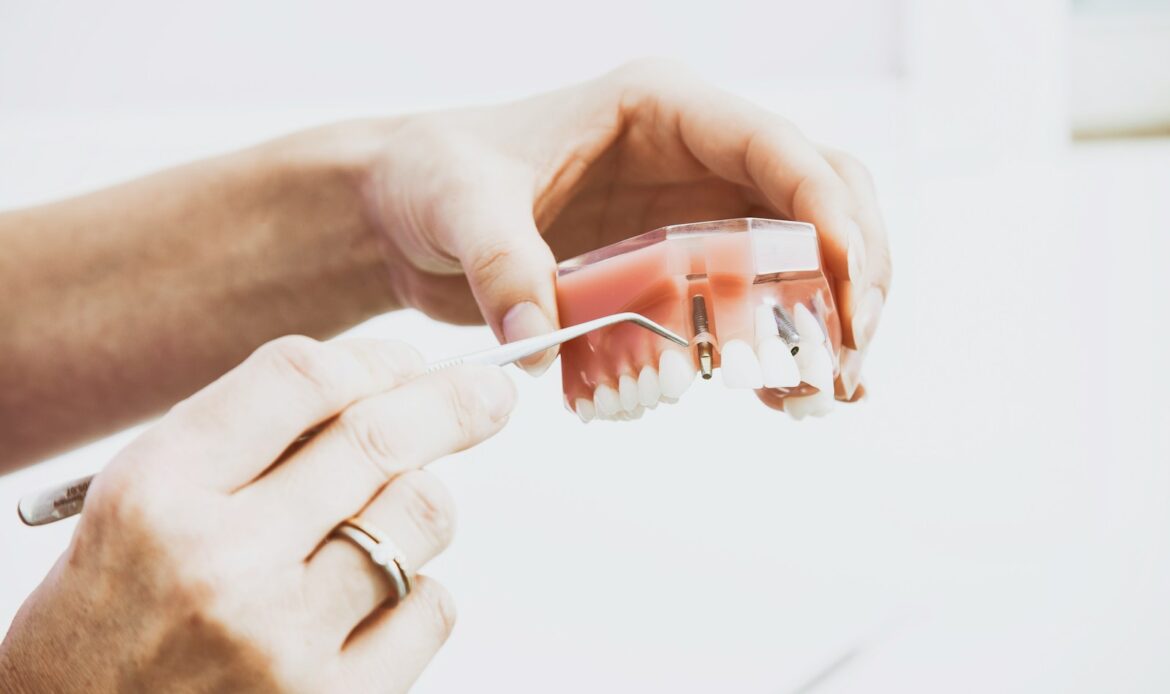
Why Severe Upper Jaw Bone Loss Happens
Bone stays strong when it receives regular stimulation. Teeth provide that stimulation through chewing. Once teeth are lost, the jawbone no longer receives pressure, and bone loss begins.
The upper jaw loses bone faster than the lower jaw for several reasons. First, the bone is naturally thinner. Second, the sinuses sit directly above the upper back teeth. After tooth loss, the sinus cavity expands downward, reducing available bone even more.
Gum disease also accelerates bone loss. Periodontal infections destroy the bone that supports teeth. According to the American Academy of Periodontology, untreated periodontal disease remains one of the leading causes of tooth and bone loss in adults.
Over time, these factors combine. Many patients eventually hear they have no bone for implants.
Why Traditional Dental Implants Often Don’t Work
Traditional dental implants rely on healthy jawbone for stability. Without enough bone, implants cannot fuse properly and may fail.
Dentists often recommend bone grafting or sinus lift surgery to rebuild lost bone. While these procedures can help some patients, they also increase treatment time, cost, and complexity. Healing alone can take many months.
The Cleveland Clinic explains that dental implants require adequate bone volume and density. When that foundation does not exist, patients need alternative solutions.
This is where zygomatic implants for no bone make a critical difference.
What Are Zygomatic Implants?
Zygomatic implants are longer dental implants designed for patients with severe upper jaw bone loss. Instead of anchoring into the jawbone, the surgeon places them into the cheekbone, also called the zygomatic bone.
The cheekbone offers dense, stable support and does not shrink after tooth loss. Even when the upper jaw deteriorates, the zygomatic bone remains strong.
The American Association of Oral and Maxillofacial Surgeons recognizes zygomatic implants as a treatment option for patients who cannot receive traditional implants due to bone loss.
Why Zygomatic Implants for No Bone Work So Well
Zygomatic implants for no bone bypass the problem instead of trying to reverse it. Rather than rebuilding lost jawbone, the implants anchor into existing facial anatomy.
This approach allows specialists to:
- Avoid sinus lift surgery
- Reduce the number of surgical procedures
- Shorten overall treatment timelines
- Restore fixed teeth sooner
Clinical research published in PubMed supports the long-term success of zygomatic implants when experienced specialists place them.
For patients who believed implants were no longer an option, this technique often changes everything.
Zygomatic Implants vs. Bone Grafting
Bone grafting still plays an important role in implant dentistry. However, severe upper jaw bone loss often requires multiple grafts and extended healing periods.
With zygomatic implants for no bone, treatment follows a different strategy. Instead of rebuilding bone, the implants anchor into the cheekbone and provide immediate stability.
Some patients benefit from a combination of bone grafting and zygomatic implants. A full evaluation determines which approach delivers the safest and most predictable outcome.
Who Is a Candidate for Zygomatic Implants for No Bone?
Specialists often recommend zygomatic implants for no bone to patients who:
- Have severe bone loss in the upper jaw
- Wore dentures for many years
- Experienced failed implants or grafts
- Were told traditional implants were not possible
- Want fixed teeth instead of removable dentures
At Dr. Friedberg & Associates, advanced 3D imaging helps evaluate bone structure, sinus position, and facial anatomy before treatment.
How the Zygomatic Implant Procedure Works
Treatment begins with a detailed consultation and imaging. This planning stage allows the specialist to map the cheekbone and determine precise implant angles.
During surgery, the surgeon places the implants into the cheekbone using guided techniques. Sedation keeps patients comfortable throughout the procedure.
In many cases, patients receive temporary fixed teeth shortly after surgery. This allows them to leave with teeth in place rather than wearing a removable denture.
Over the next few months, the implants integrate with the bone. Once healing finishes, permanent teeth replace the temporary set.
Recovery After Zygomatic Implant Surgery
Most patients experience manageable discomfort after surgery. Swelling and mild bruising are common during the first week.
Patients typically follow a soft diet while healing progresses. Normal daily activities resume gradually.
Recovery with zygomatic implants for no bone is often faster than treatment plans that rely on extensive grafting procedures.
Long-Term Results and Stability
Long-term studies show zygomatic implants for no bone provide stable, predictable results when specialists place them correctly.
With proper oral hygiene and regular dental visits, these implants can last decades. For many patients, they restore comfort, function, and confidence.
Why Choose Dr. Friedberg & Associates
Advanced implant cases demand experience and precision. Dr. Friedberg & Associates focuses on periodontal and implant solutions for patients with severe bone loss.
Patients who receive second opinions often discover treatment options they did not know existed.
Frequently Asked Questions About Zygomatic Implants for No Bone
Are zygomatic implants for no bone safe?
Yes. When trained specialists place them, they show strong safety records and high success rates.
Do zygomatic implants hurt more than regular implants?
Most patients report similar discomfort. Sedation and modern techniques help manage pain.
How long do zygomatic implants last?
With proper care, they can last many years, often decades.
Can I get teeth right away?
Many patients receive temporary fixed teeth shortly after surgery.
Who should place zygomatic implants?
Only experienced specialists with advanced training should perform this procedure.
Take the Next Step
If you have been told you have no bone for dental implants, you may still have options. schedule a consultation with Dr. Friedberg & Associates to learn whether zygomatic implants for no bone are right for you.