
Zygomatic Implants Houston patients often come to our office after being told, “You don’t qualify for dental implants,” only to discover the real issue is severe upper jaw bone loss in the maxilla, not a lack of options.
When the upper jawbone has resorbed for years, traditional dental implants may not achieve the implant stability needed for predictable osseointegration. In select cases, zygomatic implants can anchor in the cheekbone instead of the weakened alveolar ridge, sometimes reducing the need for extensive bone grafting.
Why Some Houston Patients Are Told They “Don’t Have Enough Bone”
Traditional implants need enough height and width of jawbone to hold the implant firmly at placement. If the upper jaw has thinned or softened, the implant may not reach adequate primary stability, which raises the risk of early implant failure.
Upper jaw bone loss often progresses quietly after tooth loss. The bone that used to support teeth, called the alveolar ridge, shrinks when it no longer gets stimulation from chewing forces.
Common causes I see in the Houston area include:
- Long-term tooth loss with years of bone resorption
- Periodontal disease that damaged bone before teeth were removed
- Denture wear that accelerates ridge resorption and creates sore spots
- Trauma or prior surgery that reduced available bone volume
“Not enough bone” usually means “not enough bone for standard-length implants in the upper jaw.” It rarely means “no implant pathway exists,” especially when a true 3D evaluation is done.
Patients who want to learn more about the overall health benefits of replacing missing teeth can review the health benefits of dental implants before exploring advanced solutions such as zygomatic implants.
If you want a clearer overview of how bone changes affect implant options, this explanation of how implant planning changes when bone has resorbed can help.
Signs You May Have Severe Upper Jaw Bone Loss
A loose upper denture is one of the most common clues. Patients often describe poor retention, sore spots, clicking, and difficulty chewing anything firmer than soft foods.
Another sign is facial change over time. When the upper ridge collapses, you can lose lip support and develop a sunken midface appearance that makes you look older than you feel.
Why the Upper Jaw Is Harder Than the Lower Jaw for Implants
The posterior maxilla often has lower bone density than the lower jaw. Softer bone can reduce primary stability, even if there is “some” bone present.
The maxillary sinus also plays a major role. After tooth loss, the sinus cavity can expand downward (pneumatization), limiting bone height and pushing patients toward a sinus lift or sinus graft to create space for traditional implants.
What Zygomatic Implants Are (In Plain English)
Zygomatic Implants Houston patients may benefit from extra-long implants anchored in the zygomatic bone, also called the cheekbone. Instead of relying on a severely resorbed upper jaw, they use the dense cheekbone for support.
They’re typically considered when the upper jaw is so atrophic that standard implants are not feasible without large-volume bone grafting. This is advanced surgery requires extensive training, careful treatment planning, and experience with complex implant rehabilitation.
For patients who have been told there is “no bone,” our guide to zygomatic implants for patients with no bone explains how a cheekbone-anchored approach may still be possible in select cases.
How Zygomatic Implants Differ From Traditional Dental Implants
Traditional dental implants are placed into the alveolar ridge where teeth used to be. Zygomatic implants are angled and anchored into the cheekbone, which changes both the biomechanics and the surgical approach.
Because the anchorage point is different, some patients can avoid extensive grafting procedures. That does not mean grafting is “bad,” but it can mean fewer surgeries and less waiting in the right anatomy.
The Role of the Zygomatic Bone (Cheekbone)
The zygomatic bone is typically denser and more stable than the resorbed posterior maxilla. That density can support strong fixation, which is one reason zygomatic implants can be considered for severe bone loss cases.
The tradeoff is complexity. Planning must account for sinus anatomy, prosthetic space, and the final tooth position, not just where bone exists.
Who May Be a Candidate (And Who May Not)
The best-fit profiles often include patients with severe maxillary atrophy, a history of failed bone graft attempts, or those who want to avoid prolonged graft timelines. Many are long-term denture wearers who want a fixed full-arch restoration rather than another upper denture.
Dentists cannot determine candidacy from photos or a quick visual examination alone. Sinus shape, bite relationship, medical history, smoking status, and oral hygiene habits all matter.
No online article can replace CBCT imaging and an in-person exam. A personalized plan begins with a 3D evaluation and prosthetic-driven planning. The team designs the teeth first and then positions the implants to support that design.
Common Scenarios Where Zygomatic Implants Are Considered
Patients often arrive after hearing they need extensive bone grafting or multiple sinus graft procedures before implants. Some patients receive recommendations for a sinus lift and want to explore alternative treatment options.
Decades of denture wear often cause advanced ridge resorption and significant bone loss. In these cases, the alveolar ridge may be too thin for predictable full-arch dental implants without major augmentation.
When Another Option May Be Better
If there is enough bone for conventional implants with minor grafting, that can be simpler and lower risk. Many patients do very well with localized bone grafting when the defect is moderate and well-contained.
Some medical conditions or anatomy can increase surgical risk beyond acceptable thresholds. Uncontrolled diabetes, heavy smoking, certain sinus issues, or limited ability to maintain hygiene can push the recommendation toward a different plan.
Step-by-Step: What the Evaluation and Planning Process Looks Like
A good consultation for Zygomatic Implants Houston patients starts with your goals. Do you want fixed teeth, or would a removable solution with improved retention meet your needs?
Next comes a comprehensive review of history, including prior grafts, infections, periodontal disease history, and how long you’ve had tooth loss. This helps predict what the bone and soft tissue are likely to do after treatment.
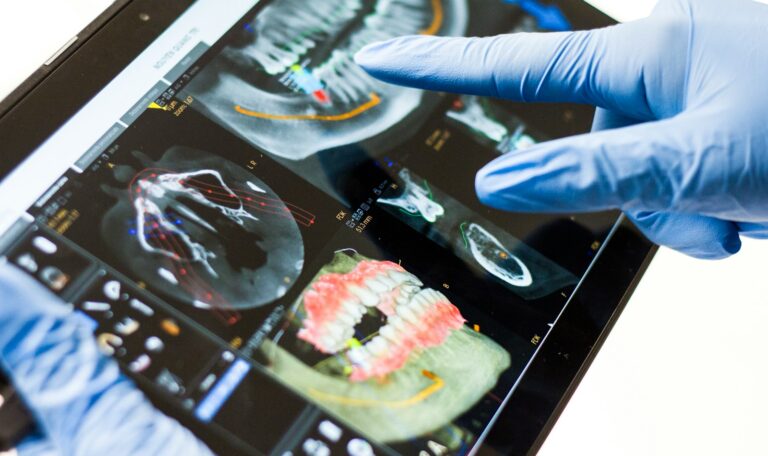
Then we obtain 3D imaging, typically a CBCT scan, to evaluate the maxilla, the maxillary sinus, and the zygomatic anatomy. From there, digital treatment planning maps implant trajectory and the prosthetic design, often with a surgical guide when appropriate.
If you want a broader orientation to implant steps and terminology, our Dental Implants Houston Guide and Dental Implants Houston TX Guide provide helpful information about treatment planning, procedures, recovery, and long-term implant care.
Why 3D CBCT Matters for “You’re Not a Candidate” Second Opinions
2D images can underestimate remaining bone and overestimate limitations. They also struggle to show the true shape of the sinus boundaries and the available bone corridors for angled implants.
CBCT allows us to assess bone density, evaluate safe angles, and plan around the sinus cavity with far more precision. It also helps identify issues that could increase infection risk or complicate surgery.
Questions Houston Patients Should Ask at the Consultation
- Is the plan designed for immediate loading, and what criteria must be met to do that safely?
- Who designs the final prosthesis, and how does the surgical-restorative team coordinate?
- What maintenance will be required to reduce risks like peri-implantitis?
- What are the realistic alternatives if the CBCT shows borderline anatomy?
Treatment Pathways: Zygomatic Implants vs Bone Grafting vs Other Alternatives
For many Zygomatic Implants Houston patients, the biggest difference is often the treatment timeline. A zygomatic approach may shorten the path to fixed teeth because it can bypass severely resorbed upper jaw areas instead of rebuilding them first.
Bone grafting can be a very good option, but it often involves more steps. Large bone graft procedures often require months of healing before dentists place implants, and factors such as graft size, blood supply, and smoking influence the outcome.
Other alternatives may fit specific anatomies and goals. These can include All-on-4 concepts, pterygoid implants, or well-designed removable solutions when fixed teeth are not the right match.
If you’re comparing full-arch approaches, this overview of fixed full-arch options using an All-on-4 style plan is useful background reading.
When Bone Grafting Is Still the Right Choice
Dentists can often treat localized defects or moderate upper jaw bone loss successfully with grafting procedures. A sinus lift or sinus graft can create height under the maxillary sinus when the rest of the ridge is healthy enough.
Some patients also prefer staged treatment. If your health, schedule, or comfort level supports a slower approach, you may benefit more from staged grafting and implant placement
How Zygomatic Implants Can Reduce the Need for Extensive Grafting
Because anchorage is in the cheekbone, the implant can bypass areas of severe resorption in the posterior maxilla. That can reduce the need for large-volume bone grafting in select cases.
This is not universal. Anatomy, bite forces, and prosthetic requirements help clinicians decide whether to avoid grafting, minimize grafting, or recommend grafting.
What Surgery and Recovery Commonly Involve
Specialists typically perform Zygomatic Implants Houston procedures in an oral surgery center with appropriate monitoring. Anesthesia options vary, and many patients have IV sedation, while some cases require deeper anesthesia depending on complexity and medical status.
Recovery commonly includes swelling, temporary dietary changes, and detailed post-op instructions for hygiene and medications. Follow-ups matter because early adjustments can prevent irritation, reduce infection risk, and protect healing tissues.
Some cases allow temporary fixed teeth soon after surgery, while others require delayed teeth. The deciding factors include stability at placement, bite forces, soft tissue condition, and whether infection is present.
Do Zygomatic Implants Hurt?
Most discomfort is manageable with a structured post-op plan, but swelling is common in the first several days. Patients describe pressure and tightness more often than sharp pain.
Pain experience varies, and expectations should be realistic. Following diet restrictions, hygiene steps, and medication timing is often the difference between a smooth week and a frustrating one.
Potential Risks to Discuss Up Front
Zygomatic Implants Houston procedures involve sinus-related considerations because of their proximity to the maxillary sinus. Your surgeon should explain how your sinus anatomy affects risk and what symptoms warrant a prompt call.
Other risks include infection risk, implant failure, and prosthetic complications such as fracture or screw loosening. Long-term risks like peri-implantitis are strongly linked to plaque control, smoking, and maintenance frequency.
Houston-Specific Considerations: Access, Logistics, and Continuity of Care
Zygomatic implants are a niche procedure. In the Houston area, you may need to seek a specialist team with specific experience in complex maxillary rehabilitation.
Coordinated care matters because the surgical plan and the final restoration are inseparable. The restoring dentist, surgeon, and lab need a shared plan for tooth position, bite, hygiene access, and long-term service.
Plan for logistics, not just surgery day. Post-op visits, possible adjustments, and emergency access are easier when your team is local or when travel plans are realistic.
Local Areas Patients Commonly Travel From
Patients commonly come from:
- The Heights, Montrose, River Oaks, Memorial, West University, Bellaire
- Sugar Land, Katy, Cypress, Pearland, The Woodlands
Why “Same-Day Teeth” Marketing Can Be Misleading
Same-day teeth is a marketing phrase, not a promise. Immediate loading depends on primary stability, infection control, bite forces, and prosthetic design.
A careful plan beats a rushed timeline, especially when severe bone loss and low bone density are part of the picture. The goal is a restoration that lasts, not a photo opportunity.
Common Mistakes Patients Make After Hearing “You’re Not a Candidate for Dental Implants”
Many Zygomatic Implants Houston patients seek a second opinion after another provider tells them they are not candidates for dental implants. If you did not receive CBCT-based planning, consider an evaluation that includes true 3D imaging and a prosthetic-driven treatment plan.
Another common mistake involves choosing a provider without specific experience in complex upper jaw cases. Zygomatic implants, sinus anatomy, and full-arch prosthetics require advanced training, careful planning, and a coordinated team approach.
Many patients focus only on implant placement and overlook the restoration that will sit on top of the implants. The prosthesis design, hygiene access, bite management, and maintenance schedule often play a larger role in long-term success than the implant brand itself.
Patients should also compare treatment recommendations carefully. Understanding the risks, alternatives, recovery process, and long-term maintenance requirements helps patients make informed decisions and avoid unnecessary complications.
Red Flags When Comparing Options
- No clear discussion of risks, alternatives, or long-term maintenance
- No explanation of who makes the final prosthesis and who handles repairs or complications
- A plan that ignores smoking status, periodontal disease history, or hygiene limitations
Frequently Asked Questions About Zygomatic Implants
Can severe bone loss prevent dental implant treatment?
Severe bone loss can make traditional dental implants more challenging, but it does not automatically eliminate implant options. Advanced solutions such as zygomatic implants may help some patients qualify for treatment when conventional implants are not suitable.
What makes zygomatic implants different from traditional implants?
Traditional dental implants rely on the jawbone for support. Zygomatic implants anchor into the cheekbone, which typically provides greater bone density for patients with significant upper jaw bone loss.
Can zygomatic implants reduce the need for bone grafting?
In some cases, zygomatic implants allow surgeons to bypass severely resorbed areas of the upper jaw, reducing or eliminating the need for extensive bone grafting. Treatment recommendations depend on each patient’s anatomy and clinical needs.
Who may be a candidate for zygomatic implants?
Patients with severe upper jaw bone loss, long-term denture wear, failed bone graft procedures, or previous implant challenges may be candidates. A CBCT scan and comprehensive evaluation are necessary to determine eligibility.
How do specialists determine if zygomatic implants are appropriate?
Specialists use CBCT imaging, digital treatment planning, medical history reviews, and clinical examinations to evaluate bone structure, sinus anatomy, bite relationships, and overall oral health before recommending treatment.
What should patients expect during recovery?
Recovery often includes temporary swelling, dietary modifications, and follow-up appointments. Most patients receive detailed post-operative instructions to support healing and help reduce the risk of complications.
Are zygomatic implants a long-term solution?
With proper planning, good oral hygiene, and regular maintenance visits, zygomatic implants can provide long-term support for fixed full-arch restorations. Long-term success depends on patient health, maintenance, and ongoing professional care.
Is a second opinion worthwhile after being told you are not a candidate for implants?
Many patients benefit from a second opinion, especially if they have not received a CBCT-based evaluation. Advanced implant techniques may provide treatment options that were not considered during an earlier consultation.
Key Takeaways and Next Steps
Severe upper jaw bone loss does not automatically rule out implants. It often means traditional dental implants in the maxilla may need a different strategy.
Zygomatic Implants Houston patients with severe upper jaw bone loss may have a graft-avoiding treatment option after a CBCT-based 3D evaluation. The right plan depends on anatomy, health factors, and the type of restoration you want.
The next step is a consultation that includes CBCT imaging, digital treatment planning, and a clear plan for the final fixed full-arch restoration or alternative. Ask who is responsible for each phase, including long-term maintenance.
A consultation with an experienced implant specialist can help determine whether zygomatic implants, bone grafting, or another solution offers the most predictable path to long-term success.
What to Bring to Your Appointment
Bring any prior imaging, treatment notes, and a current medication list. If you’ve had past dental surgeries, write down what was done and when.
Also bring a short list of goals. Include whether you want fixed vs removable teeth, your timeline preferences, comfort concerns, and a realistic budget range so the plan matches your life, not just your scan.