
Introduction to Sinus Augmentation
Many people are surprised to learn that losing an upper back tooth can change more than their smile. In many cases, sinus lift surgery becomes necessary because tooth loss can reduce the bone needed for secure implant placement in the upper jaw.
When planning treatment with sinus lift surgery for dental implants, dentists use a bone grafting procedure to increase bone height beneath the maxillary sinus. This added bone can make dental implants possible in areas where the bone has become too thin after tooth loss or bone resorptio
Dentists often recommend this procedure for the posterior maxilla, especially around premolars and molars. This guide explains who may need a sinus lift, how evaluation works, which surgical techniques clinicians use, what recovery looks like, and what outcomes patients can reasonably expect.
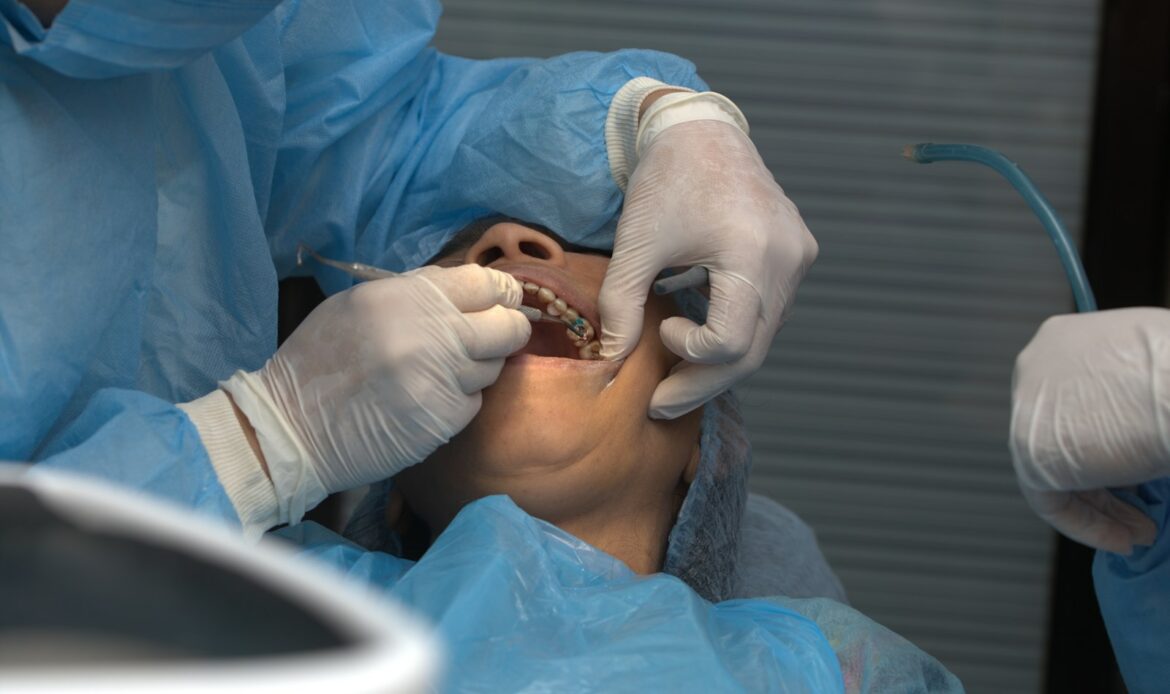
Why Sinus Lift Surgery Matters for Implant Success
The upper molar and premolar region often has limited vertical bone because the maxillary sinus sits just above the roots of the upper back teeth. After tooth extraction, the sinus can expand downward and further reduce available ridge height.
A sinus lift surgery helps create a stronger foundation for long-term implant support. That foundation matters because implant success depends heavily on adequate bone volume, primary stability, and healthy healing around the implant.
When a Sinus Lift Is Needed
A sinus lift becomes necessary when there is insufficient bone in the upper back jaw for standard implant placement. This commonly happens after tooth loss, long-term denture use, periodontal disease, trauma, or natural bone resorption over time.
Some patients also have naturally large sinus cavities, which leave less bone between the mouth and the sinus floor. If upper back teeth have been missing for years, sinus pneumatization may further reduce bone height and make bone grafting necessary.
Not every patient receiving dental implants needs this procedure. Dentists determine the need for sinus augmentation through dental imaging, especially CBCT, rather than guesswork.
Common Causes of Insufficient Bone
Periodontal disease can destroy supporting bone before or after a tooth extraction. Trauma and long-standing tooth loss can also reduce ridge height and overall bone volume.
Sinus pneumatization is another major factor. After patients lose teeth, the sinus space may enlarge, leaving less native bone for implants in the posterior maxilla.
Typical Candidate Profile for Sinus Lift Surgery
A typical candidate for a sinus lift is someone planning implants in the upper jaw who does not have enough bone beneath the sinus. This often includes patients missing molars or premolars in the posterior maxilla.
Candidates should be healthy enough for oral surgery and willing to follow healing instructions carefully. Good oral hygiene, stable medical conditions, and realistic treatment goals all support better outcomes.
How Dentists Evaluate Sinus Lift Surgery Candidacy
An evaluation for sinus lift surgery starts with a clinical exam, dental history, and detailed treatment planning. The dentist, periodontist, or oral and maxillofacial surgeon examines the missing tooth site, gum condition, bite, and the amount of available bone.
CBCT plays an important role because it shows residual bone height, sinus anatomy, and nearby structures in three dimensions. This advanced dental imaging helps the clinician determine whether the patient needs sinus lift surgery and which approach works best.
Sinus health also matters during evaluation. Smoking, uncontrolled diabetes, certain medications, untreated gum disease, and active sinus infection can affect healing and may delay treatment.
Imaging and Measurements
CBCT allows precise measurement of bone height and bone volume before surgery. It also helps the clinician assess the position of the Schneiderian membrane, septa within the sinus, and the shape of the sinus floor.
These measurements guide the choice between a lateral window technique and a crestal approach. They also help determine whether same-day implant placement is possible or whether graft healing should happen first.
Medical and Oral Health Review
A full review of medical and oral health reduces avoidable problems. Active periodontal disease, poor oral hygiene, or chronic sinus issues may need treatment before bone grafting begins.
The clinician also reviews medications that affect bleeding or bone metabolism. This step helps confirm whether the patient is a safe and suitable candidate for a sinus lift.
Types of Sinus Augmentation Procedures
There are two main surgical techniques for sinus augmentation: the lateral window technique and the crestal approach. The amount of existing bone often determines which method clinicians choose.
If only a small increase in bone height is needed, a less invasive lift may be enough. If severe bone loss exists, surgeons often find a larger graft through the side of the maxilla more predictable.
Surgeons may sometimes place implants during the same procedure. In other cases, the bone graft must heal first before implant placement can safely occur.
Lateral Window Technique
The lateral window technique becomes the preferred option when more vertical bone gain is required. The surgeon creates a small opening on the side of the upper jaw, gently lifts the sinus membrane, and places graft material beneath it.
This method offers direct visibility and control in more complex cases. Surgeons often prefer this approach when patients have very limited residual ridge height.
Crestal Approach
Clinicians use the crestal approach when some native bone is already present and only a modest lift is needed. The surgeon gains access through the implant site and elevates the sinus floor from below.
In some cases, clinicians may use the osteotome technique as part of this approach. Because it is less invasive, it may allow implant placement at the same visit when primary stability is achievable.
Bone Graft Material Options
Common bone graft options include autograft, allograft, xenograft, and alloplast. Each graft material has different handling properties, healing profiles, and remodeling behavior.
The best choice depends on treatment goals, anatomy, and surgeon preference. Some clinicians also combine materials to support graft integration and long-term bone formation.
What Happens During Sinus Lift Surgery
Sinus lift surgery usually uses local anesthesia, and some patients also receive sedation for comfort. After the area becomes numb, the surgeon accesses the bone, elevates the sinus membrane, places the bone graft, and closes the site with sutures.
The key step involves creating space beneath the Schneiderian membrane without tearing it. The surgeon fills that new space with graft material so the body can gradually form bone that supports future or immediate implants.
Step-by-Step Sinus Lift Surgery Overview
The procedure begins with anesthesia and surgical access to the upper jaw. The surgeon then carefully lifts the sinus membrane, adds the graft, and closes the tissue for healing.
Clinicians monitor the site during follow-up visits to check for swelling, bleeding, and early healing progress. The team provides pain management instructions and post-op instructions before the patient goes home.
Same-Day vs Delayed Implant Placement
Same-day implant placement may be possible when enough native bone remains for good primary stability. This is more common in smaller lifts and selected crestal cases.
Clinicians often recommend delayed implant placement when the graft is larger or the existing bone is minimal. In those situations, the graft requires healing time before clinicians can safely place implants
Sinus Lift Surgery Recovery, Healing, and Aftercare
Recovery from sinus lift surgery usually involves mild to moderate swelling, light bleeding, pressure, and tenderness for several days. Most patients can return to normal daily activities quickly, but they need to protect the grafted area.
Healing time varies, though graft integration often takes several months. Following post-op instructions closely is essential because forceful pressure in the sinus can disturb the graft or the healing sinus membrane.
Immediate Recovery Tips
Patients should avoid blowing the nose, smoking, drinking through straws, and strenuous exercise right after surgery. If sneezing occurs, patients should sneeze with the mouth open to reduce sinus pressure.
Use prescribed medications exactly as directed and apply cold compresses during the first day if recommended. Good pain management and gentle oral hygiene help keep recovery on track.
Healing Timeline
Soft tissue usually improves within one to two weeks, but internal bone healing takes much longer. Many cases require four to nine months before final implant placement or restoration.
After clinicians place the implant, osseointegration must occur before clinicians complete the restored smile. The timeline depends on anatomy, graft size, and whether clinicians placed implants immediately.
Risks, Complications, and How They Are Managed
Like any oral surgery, sinus augmentation carries risks and complications, but most are manageable with proper planning and follow-up. Common concerns include membrane perforation, infection, swelling, bleeding, sinus problems, delayed healing, and graft failure.
Careful treatment planning, sterile technique, and good patient selection make complications less likely. Patients should contact the office promptly for fever, persistent drainage, unusual swelling, or worsening pain.
Clinical studies on sinus augmentation outcomes show that careful surgical planning and membrane management can significantly reduce complications.
Most Common Sinus Lift Surgery Complications
Membrane perforation is one of the most discussed surgical risks because the sinus membrane is thin and delicate. Clinicians can often repair small tears during the procedure, but larger ones may change the plan.
ostoperative infection, graft displacement, or prolonged sinus symptoms can interfere with healing. These issues need timely evaluation so clinicians do not compromise the graft and future implant placement.
How Clinicians Reduce Risk
Preoperative CBCT imaging, gentle membrane handling, and experienced surgical techniques improve the predictability of sinus lift surgery. Careful attention to sinus health before surgery also helps reduce avoidable problems.
Patient behavior matters just as much after sinus lift surgery. Avoiding smoking, keeping the area clean, and following recovery instructions can significantly improve healing.
Expected Outcomes and Implant Success
The goal of sinus augmentation is to create enough regenerated bone for stable dental implants in the upper back jaw. When healing goes well, the procedure can make implant treatment possible in areas that otherwise could not support an implant.
Clinicians should view success in stages. A graft may heal well, the implant may achieve osseointegration, and the final restoration may function comfortably for years, but each step has its own measures of success.
What Success Looks Like
Successful treatment usually means adequate bone has formed to support implant placement with good primary stability. After that, long-term implant success depends on bite balance, peri-implant health, and regular maintenance.
Studies commonly report a high implant survival rate after well-planned sinus grafting. That said, survival is not the same as ideal function, comfort, or esthetics.
Factors That Influence Sinus Lift Surgery Results
Smoking, uncontrolled diabetes, sinus disease, and poor oral hygiene can reduce implant success. Ongoing periodontal disease or excessive bite forces may also affect long-term results.
Well-selected cases with proper follow-up generally perform very well. Patients can learn more about replacement options in why choose dental implants to replace teeth and broader planning in this dental implants houston guide.
Common Patient Questions Before Treatment
Patients often want straightforward answers about pain, timing, alternatives, and cost. Those answers depend on anatomy, how much grafting the procedure requires, whether the clinician uses sedation, and whether the clinician places implants during the same visit.
A personalized consultation is the best way to understand options. If tooth removal is part of the bigger plan, this article on why would i get dental implants after a tooth extraction can help frame the decision.
Questions Worth Asking at a Consultation
Ask which technique the clinician recommends and why. You should also ask whether immediate implant placement is possible and which type of bone graft the clinician will use.
Discuss the recovery restrictions, expected timeline to final teeth, and how complications are handled if they occur. Patients considering full-arch solutions may also want to compare options like all on 4 dental implants in houston.
FAQ
How painful is a sinus lift for an implant?
Most patients feel pressure and soreness more than severe pain. Discomfort is usually controlled with medication and tends to improve within a few days.
What are the risks of sinus augmentation?
Possible risks include membrane perforation, infection, bleeding, swelling, graft failure, and delayed healing. Careful imaging, sound technique, and good aftercare lower these risks.
How long does a sinus augmentation take?
Many procedures take about 45 to 90 minutes. The exact time depends on the technique, graft size, and whether implant placement is done at the same appointment.
What is the survival rate for implants after maxillary sinus augmentation?
Implant survival rates are generally high in well-selected cases and are often reported above 90%. Results vary based on anatomy, graft healing, planning, and patient health.
Key Takeaways
Understanding sinus augmentation means recognizing that bone loss in the posterior maxilla is common after tooth loss. A sinus lift can rebuild enough bone height and volume to support implant placement in the upper jaw.
Not every implant patient needs this procedure, and imaging is the key to deciding. A careful evaluation by a periodontist or oral and maxillofacial surgeon will assess sinus anatomy, oral hygiene, medical risks, and treatment goals.
For many patients, the benefits of sinus augmentation include improved implant feasibility, better support for long-term function, and a more predictable restored smile. After treatment, ongoing maintenance matters, and your guide to caring for your dental implants is a useful next read.