
When your teeth start failing, everything changes—how you eat, how you speak, and how confident you feel day to day. For many patients dealing with ongoing dental problems, permanent teeth implants become the most reliable long-term solution. Instead of continuing temporary fixes that don’t last, dental implants provide a stable, natural-looking replacement that restores both function and comfort.
If you’re searching things like “permanent teeth replacement,” “best option for failing teeth,” “full mouth dental implants,” or “implants vs dentures,” you’re already at that stage. You’re not looking for a temporary fix—you want something that actually works long term.
And that’s where dental implants change everything.
When Saving Teeth Stops Making Sense
Dentists are trained to save natural teeth whenever possible. But there’s a line. And once you cross it, trying to “save” teeth can actually make things worse.
Here’s what that usually looks like:
- Teeth that feel loose or shift when you bite
- Repeated root canals or crowns that keep failing
- Bleeding gums, bad breath, or signs of advanced gum disease
- Bone loss causing teeth to lose support
- Pain that keeps coming back
At this stage, patching things together with more dental work often leads to higher costs, more visits, and frustration. You’re fixing symptoms, not solving the problem.
This is when many top-ranking practices start recommending dental implants for failing teeth instead of continuing temporary treatments.
Many patients with advanced bone loss still qualify for treatment by exploring options like dental implants designed for low bone support.
Why Dental Implants Are the Best Long-Term Solution
Dental implants are a proven and widely used treatment, and understanding how dental implants work can help you make an informed decision about long-term tooth replacement.
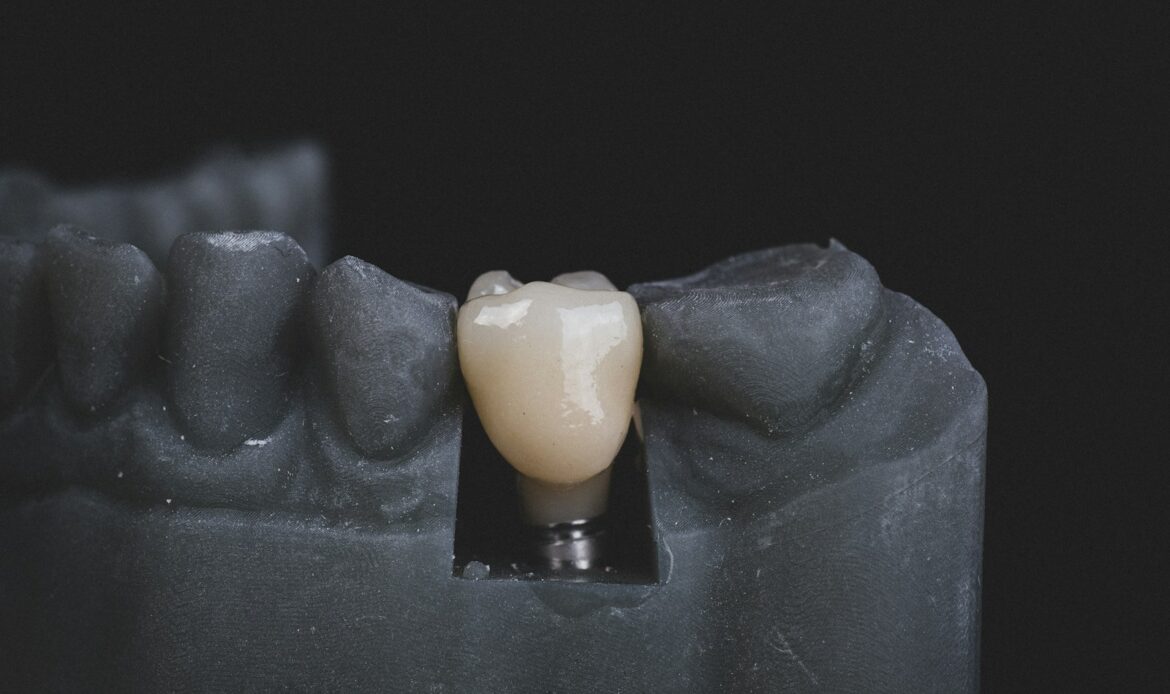
Unlike dentures or bridges, implants replace the root of the tooth, not just the visible part. That matters more than most people realize.
Here’s why:
1. Stability That Feels Like Real Teeth
Implants are anchored into your jawbone, so they don’t move. No slipping, no clicking, no adjusting how you eat or speak.
2. Bone Preservation
When teeth are missing, bone starts to shrink. That’s why people with dentures often develop a sunken facial appearance over time.
Implants stimulate the bone, helping maintain your natural structure.
3. Long-Term Durability
Search phrases like “how long do dental implants last” come up for a reason. With proper care, implants can last decades—often a lifetime.
4. Full Mouth Transformation
If multiple teeth are failing, options like full mouth dental implants or All-on-X implants allow you to replace an entire arch with a fixed, natural-looking set of teeth.
Implants vs Dentures: What Patients Need to Know
A lot of patients compare “dental implants vs dentures” before making a decision, especially when looking for a long-term solution like permanent teeth implants.
Here’s the honest difference:
- Dentures: removable, can shift, don’t prevent bone loss, require adhesives
- Implants: fixed, stable, preserve bone, feel like natural teeth
Dentures may seem easier upfront, but over time they often require relining, replacements, and adjustments. In contrast, permanent teeth implants are designed to be a stable, long-term solution.
Who Is a Good Candidate for Dental Implants?
You may be a strong candidate if you:
- Have multiple failing or missing teeth
- Are tired of dealing with removable dentures
- Have gum disease or bone loss
- Want a fixed, long-term solution
- Are in generally good health
Even if you don’t have enough bone, modern procedures like bone grafting and a sinus lift can often make permanent teeth implants possible.
To better understand if this treatment fits your situation, you can review the full criteria for dental implant candidacy.
What the Process Actually Looks Like
Many people hesitate because they don’t know what to expect. However, the process stays structured and predictable.
Step 1: Evaluation
Your dentist uses digital imaging and a full exam to assess bone levels and overall oral health.
Step 2: Planning
Your provider creates a customized plan based on how many teeth need replacement and which solution fits best—single implants, implant bridges, or full arch permanent teeth implants.
Step 3: Implant Placement
Your dentist places the implant directly into the jawbone using local anesthesia or sedation to keep you comfortable.
Step 4: Healing & Integration
Over the next few months, the implant fuses with the bone and creates a strong, permanent foundation.
Step 5: Final Teeth
Your dentist places custom-designed teeth on top, restoring function, comfort, and appearance.
The Real Benefit Patients Talk About
Patients don’t usually say, “I love my implants because of osseointegration.”
They say:
- “I can eat anything again.”
- “I’m not thinking about my teeth all day.”
- “I feel normal.”
That’s the difference between temporary fixes and a permanent solution.
FAQs
Are dental implants better than saving natural teeth?
If teeth are healthy, saving them is always preferred. But when teeth are failing due to severe damage or gum disease, implants often provide a more predictable and long-term outcome.
How long do dental implants last?
With proper care, dental implants can last decades. Many patients never need to replace them.
Are full mouth dental implants worth it?
For patients with multiple failing teeth, full mouth implants can completely restore function, comfort, and confidence. Most patients say it’s life-changing.
Do dental implants hurt?
The procedure is typically done under local anesthesia or sedation. Most patients report mild discomfort, similar to a routine extraction.
What if I don’t have enough bone?
Bone grafting or advanced techniques can often rebuild the necessary support for implants.
How do implants compare to dentures long term?
Implants are more stable, preserve bone, and require less ongoing maintenance compared to dentures.