
A dark tooth after a root canal can be frustrating. Many patients notice one tooth slowly turning gray or brown while the rest of their smile looks healthy. Fortunately, internal tooth bleaching offers a safe, effective way to restore the natural color of a root canal–treated tooth.
Patients across Houston and nearby areas choose this treatment because it whitens the tooth from the inside without crowns or veneers. Below, you’ll learn how internal bleaching works, why root canal teeth discolor, what results to expect, and whether this treatment is right for you.
At Dr. Friedberg & Associates, internal bleaching is often the first recommendation when a tooth darkens after endodontic treatment.
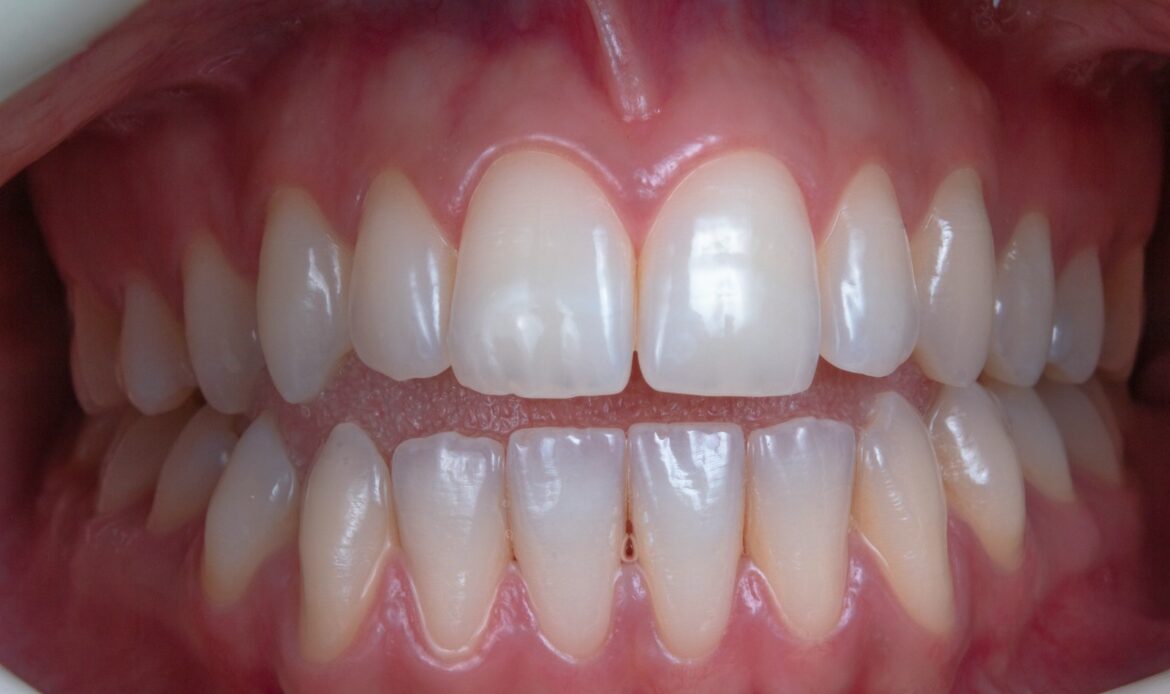
What Is Internal Tooth Bleaching?
Internal tooth whitening is a cosmetic dental procedure that whitens a tooth from the inside rather than the enamel surface. Dentists use this method only on teeth that already received root canal treatment.
During the procedure, the dentist places a whitening agent inside the tooth where the nerve once existed. The material works over several days to lift deep internal stains. After the tooth reaches the desired shade, the dentist seals it permanently.
Because the discoloration originates inside the tooth, internal bleaching provides results that traditional whitening cannot achieve.
Why Root Canal Teeth Become Discolored
Root canal–treated teeth lose their blood supply and nerve. Over time, internal chemical changes darken the tooth structure.
Common causes include:
- Breakdown of internal pulp tissue
- Bleeding inside the tooth from trauma
- Staining from root canal materials
- Long-term oxidation within the dentin
Surface whitening cannot correct this type of discoloration. Internal tooth whitening treats the problem at its source.
Benefits of Internal Bleaching for Root Canal Teeth
Patients often choose internal bleaching because it delivers strong results while preserving natural tooth structure.
Key benefits include:
- Targets stains deep inside the tooth
- Preserves natural enamel and dentin
- Avoids aggressive procedures like dental crowns
- Produces natural-looking, blended results
- Costs less than veneers or crowns
- Delivers long-lasting whitening
Many patients include internal bleaching as part of a broader cosmetic dentistry
Is Internal Tooth Bleaching Safe?
Dentists consider internal bleaching safe when performed using modern techniques. Providers seal the root canal area before placing whitening agents to protect surrounding tissues.
Possible side effects may include:
- Mild gum irritation
- Temporary sensitivity near the tooth
- Rare complications when older methods are used
Today’s protocols significantly reduce risks, and most patients experience no discomfort.
What to Expect During Internal Bleaching Treatment
Because the tooth no longer contains a nerve, patients usually feel little to no discomfort during treatment.
Typical steps include:
- Exam and X-rays to confirm tooth health
- Small access opening behind the tooth
- Protective seal over the root canal filling
- Placement of internal whitening agent
- Temporary seal while bleaching occurs
- Follow-up visits to monitor color
- Permanent filling once whitening is complete
Most patients complete treatment in two to three visits over one to two weeks.
Cost of Internal Tooth Bleaching in Houston
Internal bleaching usually costs $250–$400 per tooth, depending on how many sessions the tooth needs. This cost remains far lower than crowns or veneers.
Insurance coverage:
Dental insurance plans typically classify internal bleaching as cosmetic, so coverage is uncommon. However, many patients use HSA or FSA funds, and financing options are often available.
Your dentist can review payment options during your visit.
Results Patients Can Expect
Most patients see visible improvement after the first session. After two or three visits, the treated tooth often matches the surrounding teeth closely.
Long-term studies show that internally bleached teeth maintain their lighter color for years when dentists address the underlying cause of discoloration.
Is Internal Tooth Bleaching Right for You?
Internal bleaching works best for teeth that:
- Already had a root canal
- Show internal discoloration
- Remain structurally healthy
A dental evaluation confirms whether the tooth qualifies for treatment. Patients seeking a conservative, natural solution often choose internal bleaching first.
If you’re ready to explore your options, you can schedule a consultation to receive personalized guidance.
Frequently Asked Questions
What is internal tooth bleaching?
Internal tooth bleaching whitens a tooth from the inside after a root canal. Dentists use it to correct deep internal stains.
Does internal bleaching hurt?
No. The treated tooth no longer contains a nerve, so patients rarely feel pain during or after treatment.
How long do results last?
Results often last many years. Most patients do not need repeat treatment.
How many visits are required?
Most cases require two or three short visits over one to two weeks.
Can every dark tooth be internally bleached?
Only teeth that already had root canal treatment qualify. Teeth with cracks or active infection may need other solutions.
Is internal bleaching better than a crown?
When the tooth remains structurally healthy, internal bleaching often works better because it preserves natural tooth structure and costs less.
Does insurance cover internal bleaching?
Most insurance plans do not cover cosmetic whitening procedures, including internal bleaching.