
A dental implant should not feel loose, painful, or unstable once healing is complete. If you’re wondering how to fix a failed dental implant, it’s important to understand what’s causing the problem and what treatment options are available. In some cases, the issue may be as simple as a loose crown, while in others it can involve true dental implant failure affecting the implant fixture and surrounding jawbone.
Understanding the difference matters because a failed dental implant is not always lost. Dentists can repair some cases, while others require implant removal, bone grafting, or full implant replacement.
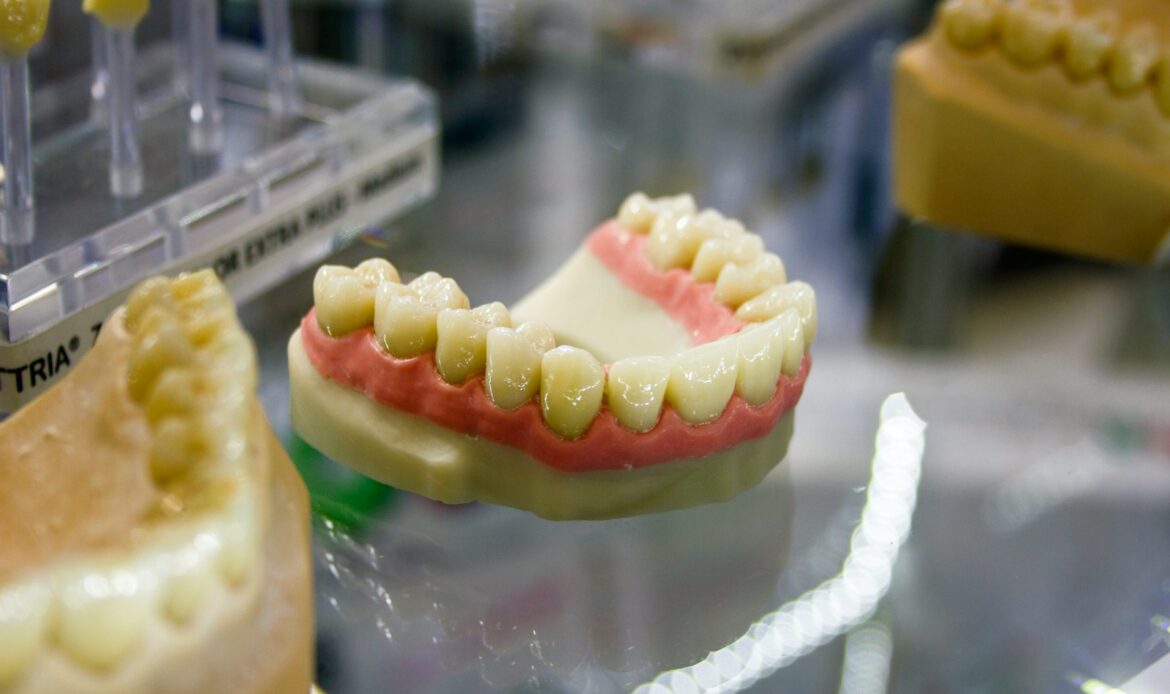
Understand What Dental Implant Failure Means
Dental implant failure means the implant is not functioning as it should, either during healing or after months or years of use. That failure can involve the implant fixture, the abutment, the crown, the connector, or the surrounding bone and gum tissue.
A failing implant is one that shows warning signs but may still be salvageable. A failed implant usually means the implant has lost stability, developed severe infection, fractured, or can no longer support a restoration predictably.
This distinction is important because not every complication requires removal. A loose crown, loose screw, or damaged prosthetic part may be repairable even when the dental implant fixtures themselves remain stable.
Early Failure vs Late Failure
Early failure usually happens before or during osseointegration, the process where the implant bonds with the jawbone. This type of short-term dental implant failure often relates to poor osseointegration, infection, inadequate bone volume, or compromised healing.
Late failure occurs after the implant has already functioned for some time. Dentists often link this type of long-term dental implant failure to peri-implantitis, occlusal overload, bruxism, implant positioning problems, or progressive bone loss.
Repairable Problems vs Replacement Cases
Some implant problems are mechanical rather than biologic. A loose crown, worn abutment, broken restorative part, or loose screw often allows a dentist to fix a failed dental implant without removing the implant fixture.
Other cases point more clearly toward replacement. Implant mobility, a broken implant, implant fracture, or severe peri-implantitis with major bone loss usually means the implant fixture itself has failed and requires removal.
Recognize the Signs of a Failed or Failing Implant
Many patients first notice a problem at home. Common signs include pain when chewing, swelling, bleeding gums, a bad taste, pressure around the implant, or the sense that something feels “off” when biting.
Not every failed dental implant causes pain. Dentists often detect some cases during a clinical exam, routine X-ray, or CBCT scan when bone loss or inflammation appears before symptoms become obvious.
That is why waiting is risky. A small issue can become a more expensive one if infection spreads or bone support continues to shrink.
Symptoms That Need Prompt Attention
Some symptoms deserve quick evaluation. These include implant mobility, pus or suppuration, gum recession, pain when chewing, or persistent swelling around the site.
Bleeding gums around an implant are also not normal once healing is complete. Ongoing inflammation may point to peri-implant mucositis or peri-implantitis, and early treatment gives the implant a better chance of survival.
When It May Be an Adjacent Problem Instead
A crown that feels loose does not always mean a failed dental implant. In many cases, the issue comes from a loose screw, worn connector, or damaged crown while the implant fixture remains integrated.
Pain can also come from a bite imbalance, neighboring teeth, sinus-related irritation in upper implants, or excess pressure from occlusion. That is one reason self-diagnosis often leads patients in the wrong direction.
Identify the Most Common Causes
There is rarely one single reason for dental implant failure. Most failed cases involve a mix of biologic, mechanical, and patient-related factors, so treatment options depend on identifying the underlying cause first.
A stable implant in healthy bone can still fail if bite forces are excessive. Smoking, uncontrolled diabetes, or untreated periodontal disease can impair healing and cause even a well-placed implant to struggle.
Biologic Causes
Poor osseointegration is a leading cause of early failure. If the implant never bonds properly to the jawbone, it may remain weak or become mobile soon after placement.
Infection is another major factor. Peri-implant mucositis affects the soft tissue first, while peri-implantitis involves deeper inflammation and bone loss around the implant, as explained in research on peri-implant diseases and implant complications.
Inadequate bone quality or bone volume can also reduce stability. If the site lacks enough support from the start, the implant may not tolerate normal chewing forces over time.
Compromised healing raises risk as well. Smoking, uncontrolled diabetes, a history of periodontal disease, and poor oral hygiene all make infection and tissue breakdown more likely.
Mechanical and Functional Causes
Mechanical failure often develops after integration. In these cases, a failed dental implant may involve loose components, abutment wear, crown fracture, implant fracture, or overload from poor occlusion.
Bruxism is a frequent contributor. Patients who clench or grind place repeated stress on the restoration and the implant fixture, especially when dentists do not adjust the bite properly.
Implant positioning also matters. If the angle, depth, or location is off, force can concentrate in ways the bone cannot tolerate.
A mismatch between implant design, bone quality, and functional load can increase long-term risk. Even a well-made restoration can fail when the implant is too narrow, the bone is too soft, or chewing forces are too high.
Know What to Do Next If You Think Your Implant Failed
If you suspect a failing implant, act quickly and avoid trying to “wait it out.” Delaying care can worsen infection, increase bone loss, and reduce the odds of saving the implant.
Do not try to tighten anything yourself. Do not keep chewing on the area if the implant, crown, or abutment feels loose.
Contact the clinician who placed it if possible. If that is not an option, see a periodontist, prosthodontist, or oral surgeon with experience in implant complications.
For a closer look at how complex cases are evaluated and managed, this page on restoring implants that are not healing or functioning properly offers useful background.
Immediate Steps Before Your Appointment
Stick to softer foods and avoid chewing on the implant side. Keep the area clean with gentle brushing and follow any prior home-care instructions unless told otherwise.
Write down what you have noticed. Include timing, swelling, bleeding, trauma, changes in bite, bad taste, pain level, and whether the crown or implant feels loose.
Questions to Ask the Dentist or Surgeon
Ask exactly which part has the problem. Is it the crown, the abutment, the screw, the connector, or the implant fixture itself?
Ask what caused the problem and whether you can repair or replace the implant. Also ask your dentist if you need bone grafting, how long healing will take, and if they recommend a night guard for bruxism.
How Dentists Diagnose a Failed Dental Implant
Diagnosis starts with a careful history and exam, not just an X-ray. The clinician needs to determine whether the issue is inflammation around a stable implant, a prosthetic problem, or true loss of integration.
That distinction guides treatment. Dentists can treat a stable implant with soft tissue inflammation, but they usually cannot save a mobile implant fixture.
Clinical Exam and Imaging
During the clinical exam, the dentist checks for implant mobility, probing depths, bleeding, suppuration, gum recession, and tenderness. They also assess occlusion to see whether bite forces are uneven or excessive.
Imaging is equally important. A periapical X-ray can show changes in bone levels, while CBCT imaging gives a three-dimensional view of bone loss, implant positioning, and nearby anatomy such as the sinus or nerve canal.
Finding the Root Cause
A good diagnosis goes beyond the implant itself. The clinician may review medical history, smoking status, oral hygiene, history of periodontal disease, and any signs of uncontrolled diabetes or delayed healing.
They also look at prosthetic design and function. If the bite is poorly distributed or the restoration is overloaded, treating the infection alone may not prevent another failure.
Review the Main Treatment Options
Treatment ranges from minor repair to complete replacement. The right plan depends on how stable the implant is, how much bone support remains, and what caused the problem in the first place.
Patients often ask whether they can fix a failed dental implant. The honest answer is sometimes yes, but only after dentists identify the underlying cause.
Repair Without Removing the Implant
If the implant fixture is stable, the solution may be relatively simple. A loose crown, loose screw, damaged abutment, or worn connector can often be repaired or replaced.
The dentist may retighten or replace components, adjust the bite, or remake the crown. In some cases, a professional cleaning and occlusion adjustment solve the issue without surgery.
Treat Infection and Save the Implant if Possible
When peri-implant mucositis or early peri-implantitis develops, the goal is to control infection before the implant loses support. Treatment can include debridement, antimicrobial therapy, surface detoxification, and, in selected cases, surgical cleaning.
Success depends on the amount of remaining bone support and whether the implant remains stable. If bone loss stays limited and the implant does not move, dentists can still save it.
Remove and Replace the Implant
If the implant is mobile, fractured, or has severe bone loss, implant removal is often the best option. Dentists typically perform this under local anesthesia, though they may consider sedation in more complex cases.
After removing the implant, dentists can clean and graft the site right away or allow it to heal first. In select cases, they can place a replacement implant immediately, but many patients need staged healing before they place a new implant.
If you are weighing whether a replacement is still the right long-term choice, this overview of why implants are often chosen to replace a missing tooth can help frame that decision.
Understand Bone Grafting, Healing, and Replacement Timing
A failed dental implant cannot always be replaced on the same day. If infection, bone loss, or trauma weakens the site, the area may need time and rebuilding before another implant can succeed.
Soft tissue health also plays a key role. Healthy gum architecture and a stable jawbone create a much stronger foundation for retreatment.
When Bone Grafting Is Needed
Dentists often recommend bone grafting when removal leaves a defect or when infection reduces support around the implant. A bone graft helps rebuild the site so a future implant has enough bone volume and stability.
Some areas require more advanced site development. In the upper back jaw, dentists may need to perform sinus augmentation, and they may use ridge preservation when the ridge is narrow or collapsed.
How Long Retreatment Can Take
Minor restorative repairs can sometimes be completed quickly. A more complex case involving infection control, bone grafting, healing, and implant replacement may take several months.
There is no universal timeline. Healing depends on the extent of bone loss, the quality of the remaining jawbone, systemic health, and whether patients bring risk factors like smoking under control.
Patients concerned about recovery often also ask about discomfort. This page on what to expect after implant surgery in terms of pain and healing gives a realistic overview.
Avoid Common Mistakes After Implant Failure
The most damaging mistake is delay. A loose implant, bleeding gums, or swelling should not be ignored for weeks in the hope that it settles down on its own.
Another mistake is assuming every problem just needs tightening. Some cases are simple prosthetic repairs, but others involve infection, bone loss, or a broken implant that needs a very different plan.
Mistakes Patients Often Make
Patients often keep chewing on the side, continue smoking, or skip follow-up visits. Each of those choices can worsen the outcome and reduce the chance of saving the implant.
Some also rely on internet advice instead of specialist evaluation. Complex retreatment cases are often best managed by a periodontist, prosthodontist, or oral surgeon.
Financial and Documentation Considerations
If cost, warranties, or refunds are part of the discussion, ask for copies of your records. That includes imaging, treatment notes, implant details, and any written agreement about follow-up care.
Refunds vary widely. They depend on the provider agreement, the cause of failure, whether aftercare instructions were followed, and whether the problem involves the restoration or the implant fixture itself.
For more patient education on related implant topics, the practice’s educational articles and updates can be a helpful place to continue reading.
Learn the Alternatives if Another Implant Is Not the Best Option
Another implant is not always the right answer after a failed dental implant. In some cases, anatomy, cost, health factors, or repeated failure risk make a different tooth-replacement option more sensible.
This is especially true when bone quality is poor, parafunction is severe, or the patient wants a shorter treatment timeline. The best plan matches function, maintenance, and long-term predictability.
Common Alternatives to Re-Implantation
A fixed bridge may work well when neighboring teeth can support it and the patient wants a non-removable option. A removable partial denture can serve as a practical choice when several teeth are missing or when the budget is limited.
Dentists may consider a full denture when many teeth are missing and a larger reconstruction is needed. Some patients also choose to delay replacement while the site heals or while they arrange finances.
If the implant failed after an extraction-related treatment plan, it may help to review how implants fit into care after a tooth is removed.
How to Decide on the Best Next Step
The decision should consider oral health, esthetic goals, bone volume, parafunction, budget, and willingness to maintain the result over time. There is no single answer that fits every patient.
A second opinion is often valuable in complex retreatment cases. A periodontist, prosthodontist, or oral surgeon can help compare options and explain the tradeoffs clearly.
FAQ About Failed Dental Implants
What Are the Options After Failed Dental Implants?
Options include repairing the crown or screw, treating infection to try to save the implant, removing and replacing the implant, adding a bone graft, or choosing an alternative such as a fixed bridge, removable partial denture, or full denture.
The right choice depends on the underlying cause, implant stability, and the amount of remaining bone support.
How Do You Get a Refund for a Failed Dental Implant?
Start by reviewing your treatment agreement and any warranty terms. Ask for records, imaging, and notes so you can understand what failed and why.
Refunds are not automatic. They vary by provider policy, cause of failure, and whether follow-up visits and home-care instructions were completed.
Can a Failed Dental Implant Be Fixed?
Sometimes, yes. If the problem is a loose crown, loose screw, or mild peri-implant disease, the implant may be repairable.
If the implant fixture is mobile, fractured, or affected by major bone loss, replacement is more likely than repair.
What Can Be Done Instead of a Dental Implant?
Alternatives include a fixed bridge, removable partial denture, full denture, or delaying replacement until the site heals. The best option depends on anatomy, function, cost, and long-term goals.