
What Is Gum Recession?
Imagine your gums as a protective turtleneck for your teeth. Gum recession happens when that turtleneck begins sliding down, exposing the tooth roots. In simple terms, gum recession — also known as gingival recession — is the gradual loss of gum tissue along the gumline, which exposes more of the tooth or its root. According to gingival recession research, this condition can occur at any age. In fact, gum recession in teens can happen even though adults over 40 experience it more often.
This isn’t just a cosmetic concern. When gums pull back, it often signals a deeper issue. If your teeth appear “longer” or you feel new sensitivity, your gums may be warning you that something needs attention.
For a quick visual explanation, you can also watch this helpful gum recession video overview by Dr. Friedberg, which breaks down the condition in simple terms.
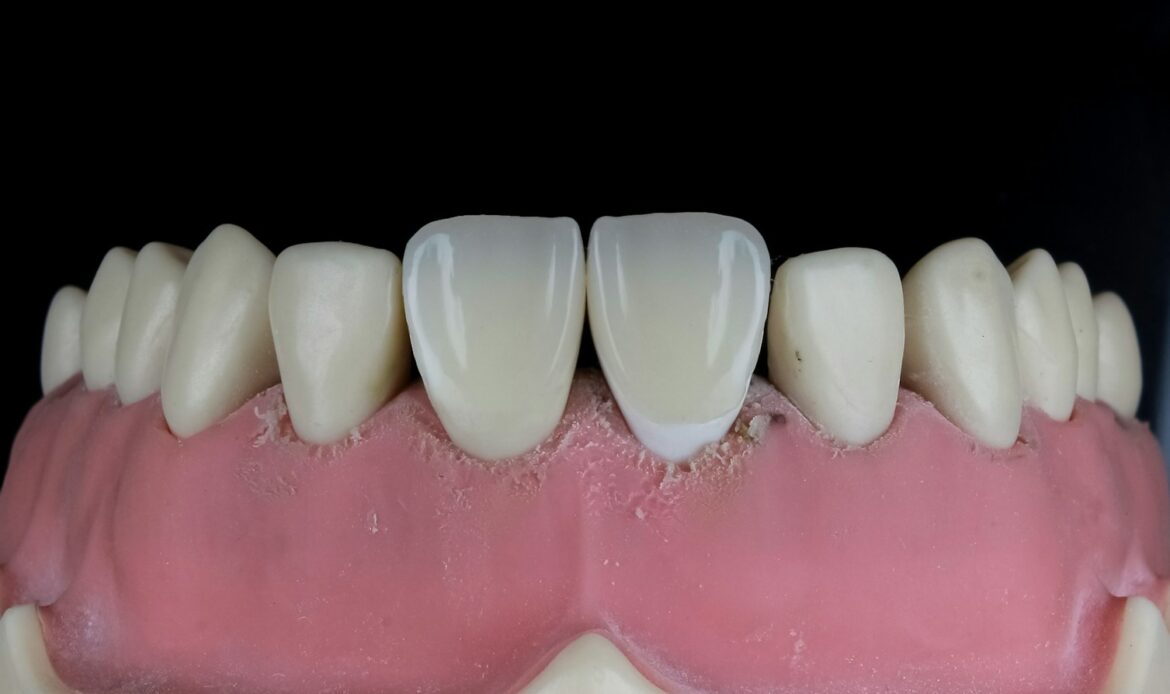
Signs and Symptoms of Gum Recession
Receding gums usually develop slowly, so many people don’t notice them at first. You might feel a brief twinge of tooth sensitivity when drinking something cold or see that your smile looks “toothier.” Common signs include:
- Tooth sensitivity to hot, cold, or sweet foods
- Visible tooth roots or notches near the gumline
- Teeth appearing longer or showing small gaps (“black triangles”)
Since early changes are subtle, regular dental check-ups matter. If you notice any of these signs, talk to a dental professional who can evaluate your gum health.
Why Gum Recession Happens
Multiple factors can lead to gums pulling away from the teeth. Here are the most common causes:
Gum Disease (Periodontal Disease)
This is the leading cause of receding gums. Gum disease starts with inflammation and can eventually damage the bone and tissue that support your teeth. The condition is well documented in gum disease statistics, which highlight how widespread it is. Without treatment, the gums pull back as the foundation weakens.
Aggressive Brushing
Using a hard-bristled toothbrush or brushing too forcefully can wear down enamel and irritate gum tissue.
Poor Oral Hygiene
Inconsistent brushing and flossing allow plaque to harden into tartar. This irritates the gums, causing inflammation and gum detachment over time.
Tobacco Use
Smoking or chewing tobacco reduces blood flow, dries out the mouth, and increases tartar buildup — all of which accelerate gum recession.
Misaligned Bite or Teeth
When some teeth receive more pressure than others, the surrounding gums can begin to pull back.
Hormonal Changes & Genetics
Pregnancy, menopause, and naturally thin gum tissue can increase sensitivity and make gums more prone to recession.
How to Prevent Gum Recession
Healthy daily habits and early intervention can prevent gums from pulling back.
Be Gentle with Oral Hygiene & See Your Dentist
Brush twice daily with a soft-bristled toothbrush and mild or sensitive toothpaste. Floss gently instead of snapping the floss against your gums. Regular dental cleanings remove tartar and allow your dentist to track changes in your gum health so early problems can be treated quickly.
Lifestyle Matters (No Tobacco, Healthy Habits)
Quit smoking or chewing tobacco if you can. Maintain a balanced diet rich in vitamin C and stay hydrated. Some research suggests that green tea gum health benefits may help support healthier gums. Managing stress also matters because grinding or clenching your teeth puts pressure on the gumline.
By following these habits, you can reduce the chances of recession. And if your gums have already begun to pull back, these habits help prevent further progression.
Available Treatment Options for Gum Recession
If your gums are already receding, don’t worry — early action makes all the difference. The right treatment options can stop further progression and protect exposed roots. At Dr. Friedberg & Associates, we offer advanced solutions to restore gum health.
Deep Cleaning (Scaling & Root Planing)
This deep-cleaning treatment removes hardened plaque and tartar from beneath the gumline. It also smooths the tooth root to help the gums reattach. According to professional gum recession treatment guidance, treating harmful bacteria early helps prevent additional recession. Local anesthesia keeps you comfortable throughout the procedure.
Gum Graft Surgery
If recession is more advanced, gum graft surgery may be recommended. A periodontist places soft tissue — often from the roof of your mouth or a donor source — over the receded area. As it heals, the graft becomes healthy new gum tissue.
Different techniques exist, such as connective tissue grafts or free gingival grafts, but they all add support where the gums need reinforcement. Sedation is available if you prefer, and healing helps restore both comfort and appearance.
A Supportive Experience
Treatment shouldn’t feel overwhelming. Our team explains every step clearly, answers your questions, and offers a gentle approach. Your visit includes a free consultation, allowing you to understand your options without pressure.
Ready to Schedule?
Book NowGum Recession FAQs
Q: Can receding gums grow back naturally?
A: No. While gums don’t regrow on their own, professional treatments can restore lost coverage.
Q: What happens if I ignore receding gums?
A: Recession progresses, more root becomes exposed, and tooth sensitivity increases. In severe cases, teeth can loosen.
Q: Does gum graft surgery hurt?
A: You stay comfortable with local anesthesia, and mild soreness afterward is normal.
Q: Are home remedies effective for treating recession?
A: Good hygiene can stop recession from worsening, but only professional treatment restores lost tissue.
In Conclusion
This gum condition is common, but very treatable with the right dental care. If you notice changes in your gumline or increasing sensitivity, take action early.
At Dr. Friedberg & Associates, we combine expertise with a compassionate, patient-focused approach. We’re here to answer questions, ease concerns, and guide you through the best treatment options for your long-term gum health.
Don’t let receding gums affect your confidence. If you’re in Houston, reach out for your free consultation so we can help protect your smile.