
Most people assume a dental problem should hurt, which is why gum disease without pain is often overlooked. As a result, it is easy to dismiss a little bleeding during brushing or a faint case of bad breath. Understanding how serious gum disease can be if it doesn’t hurt matters because periodontal disease often worsens quietly until the damage is harder to treat.
While gingivitis can often be reversed with professional care and consistent home hygiene, periodontitis-related attachment and bone loss are typically managed to stop progression. In some cases, pocket depths improve as inflammation is controlled, but lost support is not fully regenerated. Importantly, “serious” is defined by clinical findings—not pain.
Dentists assess severity using periodontal pocket depth, clinical attachment loss, bone loss on X-rays, and tooth stability. This guide explains why pain is a poor early warning system, how dentists measure severity, and what to do next to stop silent progression.
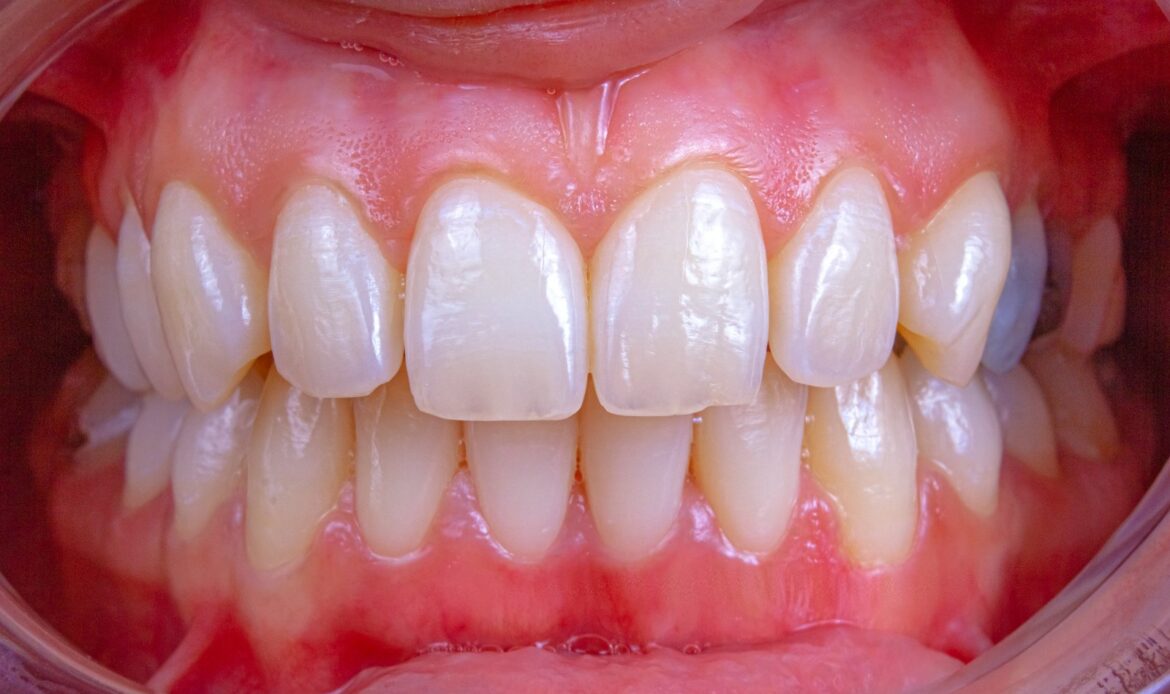
Why Gum Disease Often Doesn’t Hurt
Gum disease usually starts with inflammation caused by plaque, a sticky biofilm of bacteria that accumulates along the gumline. Early changes can be subtle, which explains why gum disease without pain often progresses even while tissue breakdown is already underway.
The main problem is silent progression. Inflammation and infection often move below the gumline, where you cannot see or feel them. As plaque hardens into tartar, it creates a rough surface that allows more bacteria to cling to teeth and irritate surrounding tissues.
A key distinction is soreness versus damage. You can have little or no discomfort while gum pockets deepen, attachment loss increases, and bone loss begins. Nerves do not reliably signal early periodontal disease because changes occur gradually and mostly below the gumline.
Gingivitis vs. Periodontitis: Where Pain Usually Shows Up
Gingivitis involves surface-level gum inflammation. Bleeding and swelling are common, yet pain is usually minimal or absent. Many people blame bleeding on brushing too hard, even when plaque is the real cause.
Periodontitis is a deeper infection involving periodontal pockets, gum recession, and bone loss. Pain may appear late, fluctuate, or only occur during flare-ups with pus, swelling, or abscess formation.
Why Symptoms Are Easy to Miss
Bleeding during brushing or flossing often goes unnoticed, especially when it stops quickly, yet it remains one of the clearest early signs of inflammation in gum disease without pain and appears frequently among early gingivitis symptoms.
Similarly, bad breath and mild gum recession often feel cosmetic. Mouthwash may temporarily mask odor, while bacteria continue to thrive in deeper periodontal pockets.
How to Tell If Painless Gum Disease Is Serious
Before an exam, certain signs can still raise concern. Watch for bleeding gums, persistent bad breath, swollen or receding gums, pus, and any tooth mobility.
Functional changes matter as well. New gaps between teeth, bite changes, food trapping, or increasing sensitivity can indicate attachment loss and bone support changes.
Ultimately, measurement-based findings provide the most reliable indicators. Periodontal probing, charting, and dental X-rays reveal pocket depth, attachment loss, and bone changes that you cannot confirm at home.
Silent Warning Signs You Shouldn’t Ignore
Bleeding gums are not normal, especially when persistent, and commonly signal inflammation in gum disease without pain driven by plaque biofilm.
Gums pulling away from teeth can indicate recession and attachment loss, exposing root surfaces and increasing cavity risk.
Chronic halitosis that returns quickly after brushing may suggest bacterial buildup deep below the gumline.
What Dentists Measure to Grade Severity
Dentists measure periodontal probing depths around each tooth. In general:
- 1–3 mm is often considered healthy
- 4–5 mm may indicate early periodontal breakdown, especially with bleeding
- 6 mm or deeper raises concern for established periodontitis
Pocket depth alone is a screening tool. Diagnosis and staging depend on the full clinical picture, including attachment levels, risk factors, and X-ray findings.
Clinical attachment level (CAL) is especially important because it reflects cumulative support loss, even when pockets are not deep due to recession.
Dental X-rays assess bone loss patterns and help rule out other problems, such as cracked teeth or root infections.
What Happens If You Don’t Treat Gum Disease
Gingivitis can progress to periodontitis as gum disease without pain. Over time, persistent inflammation leads to deeper pockets that harbor bacteria.
Local consequences include progressive bone loss, tooth mobility, shifting teeth, and eventual tooth loss. Treatment often escalates as disease advances.
Conditions that routine dental cleanings once managed may now require scaling and root planing—or, in advanced cases, periodontal surgery.
What might have been resolved with a professional dental cleaning and improved oral hygiene can progress to deeper interventions, including scaling and root planing or advanced periodontitis treatment options.
Stage-by-Stage Progression (Simple and Practical)
Stage 1: Gingivitis
Typically reversible with professional cleaning and consistent home care before attachment or bone loss occurs.
Stage 2: Early Periodontitis
Pockets form and attachment loss begins. Scaling and root planing is often recommended.
Stage 3: Moderate Periodontitis
More attachment and bone loss increase the risk of tooth mobility. Maintenance becomes more frequent.
Stage 4: Advanced Periodontitis
Significant bone loss, deep pockets, and high risk of tooth loss. Surgical or regenerative approaches may be considered.
When Gum Disease Becomes Urgent
Loose teeth, pus, facial swelling, fever, or severe pain require same-day evaluation. Sudden bite changes or rapidly worsening bleeding also require prompt attention.
Trouble breathing, difficulty swallowing, or rapidly spreading swelling signal a medical emergency.
Whole-Body Health Links: Beyond the Mouth
Periodontal disease is a chronic inflammatory condition. Research has reported associations with diabetes control, cardiovascular inflammatory markers, and some pregnancy outcomes. Diabetes affects periodontitis more consistently than cardiovascular disease or pregnancy outcomes.
Chronic periodontal biofilm drives local and systemic inflammation, which explains why clinicians monitor signs such as swollen gums and bleeding on probing during exams. Observational research has also linked periodontal inflammation with conditions such as heart disease and high blood pressure, although these associations do not prove causation.
Correlation does not equal causation. The relationship is often bidirectional: systemic conditions can worsen gum disease, and periodontal inflammation can affect systemic inflammation.
Clinicians take gum disease without pain seriously because chronic inflammation is not “benign,” even when it is quiet, and detailed clinical overviews from Mayo Clinic explain how periodontitis can advance quietly before symptoms become obvious.
What to Do Next: A Step-by-Step Plan
Start with a dental exam that includes periodontal charting and X-rays. Build a daily plaque-control routine focused on the gumline and interdental spaces.
Use antimicrobial rinses only when recommended, and understand that maintenance—not symptom relief—is what prevents progression.
Common Mistakes That Allow Silent Progression
Stopping flossing because gums bleed, relying on mouthwash alone, skipping maintenance visits, and smoking all allow disease to worsen quietly.
Additional Clinical Considerations
A dentist or periodontist may identify swollen gums, red gums, tender gums, tooth sensitivity, or signs of a gum abscess during a dental exam. Radiographs help evaluate alveolar bone changes that are not visible during a visual inspection.
Treatment options may include deep cleaning, periodontal maintenance, interdental cleaning, and the use of interdental brushes or a water flosser to improve plaque control. In some cases, antimicrobial mouthwash such as chlorhexidine or short-term antibiotics may support treatment.
Advanced periodontal disease may require gum surgery, including flap surgery or bone graft procedures, to stabilize tissue and bone support. Risk factors such as tobacco use, poor glycemic control, and pregnancy gingivitis can increase susceptibility and affect disease progression.
FAQs
Can you have gum disease without pain?
Yes. Gum disease commonly progresses without pain, especially early on. Measurements matter more than discomfort.
How do I know if it’s serious?
Persistent bleeding, recession, halitosis, loose teeth, and periodontal charting findings determine severity.
Can a gum infection cause diarrhea?
No, it is not typical. Persistent digestive symptoms should be evaluated medically.
Final Thoughts
Painless gum disease is often serious precisely because it progresses quietly. Bleeding, bad breath, recession, or bite changes are signals—not nuisances. A dental exam with periodontal charting and X-rays is the most reliable next step to protect both your teeth and long-term health.