
Being told you’re not a candidate for dental implants because of bone loss can feel discouraging. Many patients leave that appointment believing they’ve reached a dead end. However, in many cases, bone loss does not automatically rule out dental implants—especially when a periodontal and implant specialist performs the evaluation.
Understanding why bone loss happens and what options still exist is the first step toward clarity.
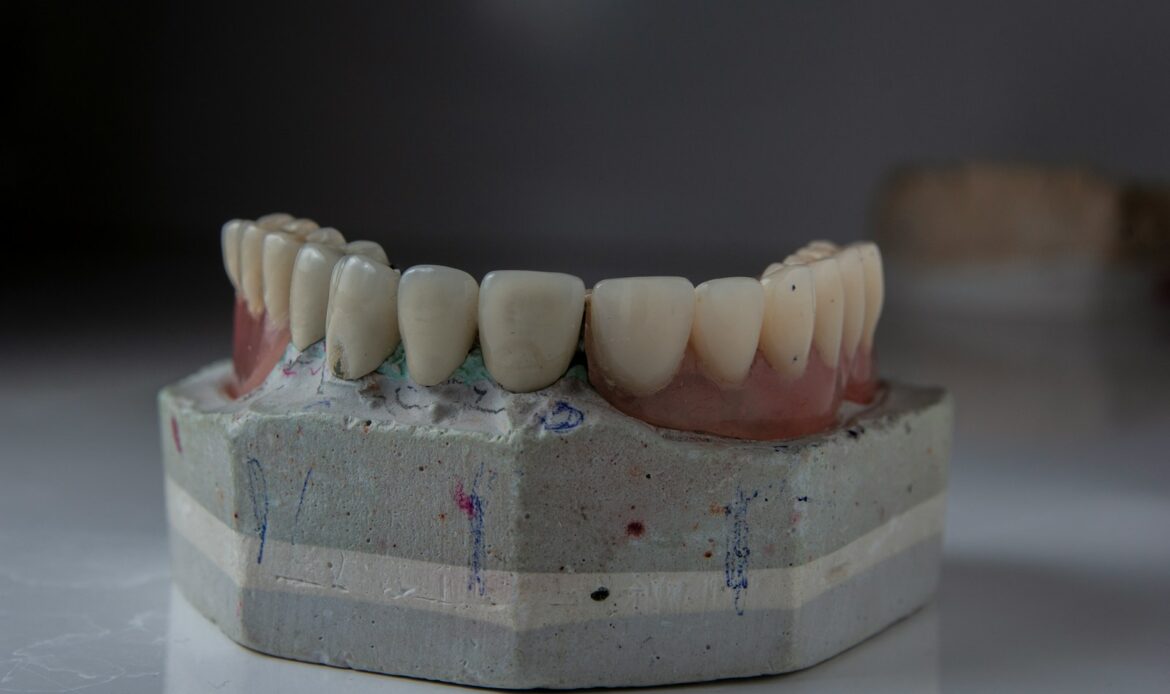
Why Bone Loss Happens After Tooth Loss
When a tooth goes missing, the jawbone in that area no longer receives stimulation from chewing. As a result, the body gradually begins to resorb the unused bone. In addition, gum disease, previous infections, trauma, and long-term denture use can speed up this process.
Because of this, some patients hear that they lack enough bone to support an implant. While that assessment may be accurate at that moment, it often is not the final answer.
Does Bone Loss Automatically Mean No Implants?
No. Bone loss does not automatically disqualify you from dental implants.
Instead, it means your case requires more detailed planning and, in some situations, additional procedures to rebuild or work around the lost bone. At this stage, experience in periodontics and implant dentistry becomes especially important.
In fact, many patients hear “no” elsewhere but become candidates after a more comprehensive evaluation.
According to Wikipedia, dental implants may still be possible when bone loss is present, as procedures such as bone grafting can rebuild the jawbone to support implant placement.
How Implants Are Still Possible with Bone Loss
Even when bone volume is limited, several treatment approaches still make implants possible.
In cases of severe bone loss where traditional grafting may not be ideal, advanced options such as zygomatic implants can provide an alternative foundation for implant support.
At Dr. Friedberg’s practice, zygomatic dental implants allow placement in cases where traditional implants are not possible due to advanced bone loss, using the cheekbone for added support.
Bone Grafting
Bone grafting rebuilds areas of the jaw that have thinned or shrunk over time. After placement, the graft integrates with your natural bone and helps create a stable foundation for a future implant.
Sinus Lift Procedures
For upper back teeth, bone loss often affects the sinus area. In these cases, a sinus lift carefully creates space for new bone and allows providers to place implants safely after healing.
Strategic Implant Placement
In some situations, providers place implants at specific angles or in areas with stronger bone. This approach helps avoid severely resorbed regions while still providing long-term support.
Why a Specialist Evaluation Matters
General dentists often identify bone loss first. However, they may not offer advanced surgical solutions. A periodontist specializes in the supporting structures of the teeth and has extensive training in bone regeneration and complex implant placement.
During a specialist evaluation, the focus goes beyond whether implants are possible. Instead, the discussion centers on how implants can be placed safely and predictably.
What to Expect During an Implant Evaluation
During a consultation, your provider will assess several key factors, including bone quality and volume, gum health, bite forces, and spacing. They will also review medical factors that may affect healing.
Afterward, a personalized plan is created. For some patients, implants become possible after preparatory treatment. For others, implant placement may happen sooner than expected.
A Second Opinion Can Change the Outcome
If a provider says you are not a candidate for dental implants because of bone loss, consider seeking a second opinion—especially from a practice focused on periodontics and implant dentistry.
In many cases, patients discover they have more options than they initially believed.
A Thoughtful Next Step
If you’re exploring whether dental implants are still an option despite bone loss, a comprehensive evaluation can provide clear answers and realistic expectations. Often, understanding your options is the moment when uncertainty turns into confidence.