
Dental implants are considered a reliable, long-term solution for missing teeth. However, many patients hesitate because they worry about dental implant failure. That concern is understandable and deserves a clear explanation early in the decision process.
The good news is that dental implant failure is uncommon. When complications occur, they are usually linked to specific health or healing factors rather than chance. Understanding what affects implant success can help patients feel more confident about moving forward with treatment.
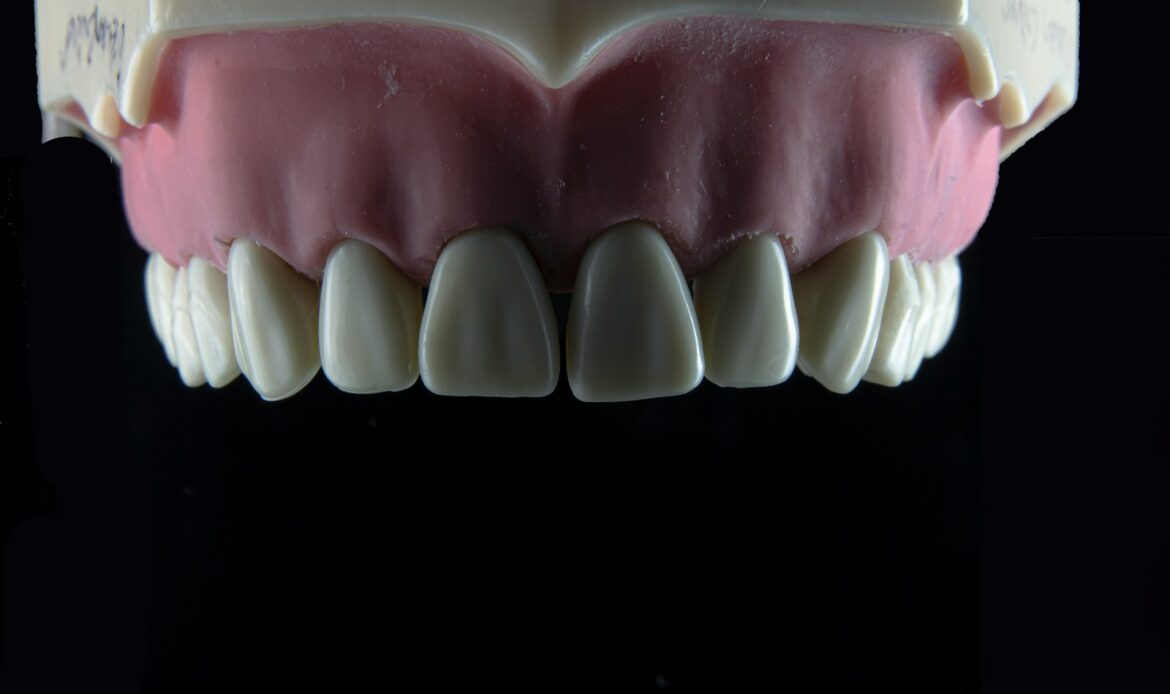
Gum Disease and Dental Implant Failure
Healthy gums are essential for implant stability. When active gum disease is present, it can damage the tissues and bone that support the implant, increasing the risk of dental implant failure.
Infections around the implant site can also interfere with healing and integration. Treating gum disease early and maintaining consistent oral hygiene helps reduce the risk of dental implant failure, especially when supported by professional periodontal care.
Bone Loss and Failed Dental Implants
Dental implants require enough healthy bone to anchor securely. When bone loss occurs due to missing teeth, periodontal disease, or long-term denture use, implants may lack proper support, which can increase the risk of dental implant failure.
In these situations, bone grafting can help rebuild the jawbone and improve stability. This preparation lowers the risk of failed dental implants and supports long-term success.
Smoking and Dental Implant Healing Problems
Smoking reduces blood flow and slows the healing process. As a result, it increases the likelihood of infection and healing complications around dental implant sites.
Patients who smoke often experience more challenges during recovery. For this reason, providers commonly recommend stopping smoking before and after implant surgery to reduce the risk of implant-related complications.
Public health guidance on gum disease and smoking explains how tobacco weakens the body’s ability to fight infection and slows healing in the gums.
Medical Conditions Linked to Implant Failure
Certain medical conditions can influence how the body heals after implant placement. Conditions such as uncontrolled diabetes or disorders that affect bone health may increase the likelihood of dental implant failure.
Even so, dental implants may still be an option. In these cases, careful coordination with a patient’s overall health helps reduce risks and support safer outcomes.
Pressure During Healing and Implant Stability Issues
Dental implants need time to integrate with the jawbone. Placing pressure on an implant too soon, such as chewing hard foods before healing is complete, can interfere with stability and increase the risk of dental implant failure.
Following a structured healing timeline and post-procedure instructions helps protect the implant while proper integration develops.
How Implant Failure Risks Are Managed
Reducing the risk of dental implant failure starts well before surgery. A thorough evaluation allows providers to identify potential concerns early and adjust treatment plans accordingly.
A comprehensive evaluation and personalized treatment plan are key parts of modern dental implant services designed to reduce complications and support long-term success.
Through detailed imaging, periodontal assessment, and individualized planning, the care team places implants under conditions that support long-term function and stability.
When to Discuss Implant Failure Concerns
If you are considering dental implants and have concerns about possible failure, a professional evaluation can provide clarity. Reviewing gum health, bone structure, and medical history helps determine whether implants are appropriate and what preparation may be needed.
A consultation offers clear answers and helps create a treatment plan focused on long-term oral health and implant success.
FAQs
How often do implant complications occur?
Implant-related complications are uncommon when patients have healthy gums, adequate bone support, and follow post-procedure instructions. In most cases, dental implant failure relates to healing conditions rather than the implant itself.
What factors increase the risk of implant problems?
Risk can increase due to gum disease, smoking, insufficient bone support, unmanaged medical conditions, or placing pressure on the implant before healing is complete. A proper evaluation helps identify factors that may contribute to failure early.
Can implants fail years after placement?
Yes, late issues can occur, often due to poor oral hygiene or changes in gum and bone health over time. Ongoing care helps monitor implant stability and reduce the risk of dental implant failure years after placement.
Does bone loss mean implants are not an option?
Not necessarily. Many patients with bone loss can still qualify for implants with bone grafting or other preparatory procedures, which can lower the risk of dental implant failure by improving jawbone support.
How can patients reduce the risk of complications?
Maintaining good oral hygiene, avoiding smoking, following recovery instructions, and attending follow-up appointments all help reduce the risk of