
Dental implants are one of the most reliable ways to replace missing teeth. However, they are not always the right solution right away. If you’ve been told you may not qualify, or if you’re unsure whether implants are an option, understanding dental implant candidacy helps clarify what may be limiting treatment and what steps may still be possible.
Many patients assume that being told “no” means the end of the road. In reality, implant candidacy often depends on factors that specialists can evaluate and, in some cases, improve.
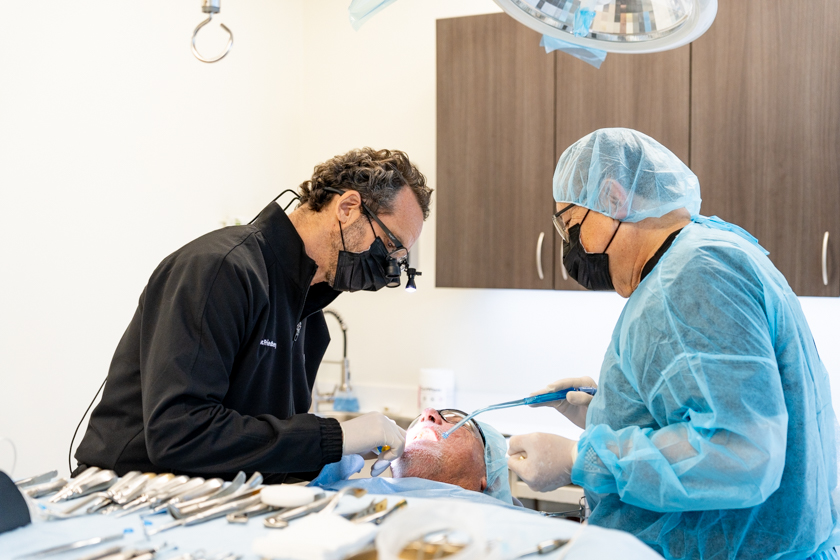
What Determines Dental Implant Candidacy?
Dental implant candidacy depends on whether the jawbone and gums can support healing and long-term stability. Because implants integrate directly with the jawbone, overall oral health matters more than age or appearance.
Some patients focus on cost early in the process. While financial planning matters, clinical readiness matters more. Reviewing dental implant cost in Houston can still help patients plan responsibly while evaluating implant eligibility.
How Gum Disease Affects Implant Candidacy
Active gum disease is one of the most common reasons providers delay implant placement. Infection and inflammation weaken supporting tissues and increase the risk of complications.
Once periodontal treatment restores gum health, dental implant candidacy often improves. The American Dental Association notes that healthy gums play a critical role in long-term implant success.
Bone Loss and Implant Eligibility
Adequate bone support plays a key role in implant eligibility. Bone loss, often caused by long-term tooth loss or periodontal disease, can complicate placement.
However, bone loss does not automatically disqualify patients. Advanced options, including zygomatic implants for severe bone loss may allow treatment even when traditional implants are not possible, preserving implant candidacy in complex cases.
Smoking, Nicotine, and Implant Candidacy
Nicotine restricts blood flow, slows healing, and increases the risk of implant complications. Because of this, smoking and vaping can negatively affect dental implant candidacy.
Many patients improve their chances of success by reducing or stopping nicotine use during the healing period.
Medical Conditions That Influence Implant Eligibility
Certain medical conditions influence how well the body heals after surgery. Poorly controlled diabetes, immune disorders, and long-term steroid use may affect eligibility.
These conditions do not automatically prevent implants. With careful coordination, many patients still qualify. The Mayo Clinic emphasizes the importance of managing overall health before surgical procedures.
Medications and Implant Healing
Some medications affect bone metabolism or the body’s inflammatory response. These medications can influence healing and long-term stability, which may impact implant candidacy.
A complete medical review allows providers to adjust timing and technique while maintaining patient safety.
Oral Hygiene History and Long-Term Implant Success
Dental implants require consistent daily care. Patients with a history of poor oral hygiene may need to demonstrate improved habits before moving forward.
This step protects both the implant and surrounding tissues over the long term and supports stable outcomes.
Does Age Affect Dental Implant Candidacy?
Age alone rarely determines dental implant candidacy. Bone quality, gum health, and healing capacity matter far more than the number on a birth certificate.
As a result, both younger and older adults can qualify when conditions are appropriate.
“Not a Candidate” vs. “Not Yet a Candidate”
This distinction matters. Many patients are told they are not candidates when they actually need:
- Periodontal treatment
- Bone support planning
- A specialist evaluation
With the right approach, implant candidacy often changes over time.
Why Specialist Evaluation Matters
Dental implant candidacy is never one-size-fits-all. A periodontist evaluates bone health, gum condition, and long-term stability rather than focusing only on immediate placement.
Learning more about implant evaluation at Dr Robert Friedberg & Associates helps patients understand why complex cases often require specialist care.
A Thoughtful Next Step
If you’re unsure about your implant eligibility, a professional evaluation can clarify whether treatment is appropriate now or what steps may improve dental implant candidacy in the future. Understanding your situation allows you to move forward with confidence.
FAQs
Who is not a candidate for dental implants?
People may not be immediate candidates if they have untreated gum disease, active oral infections, significant bone loss, or medical conditions that interfere with healing. Smoking and certain medications can also affect eligibility. In many cases, these issues are temporary and can be addressed with proper treatment.
Can dental implant candidacy change over time?
Yes, dental implant candidacy can change. Treating gum disease, improving oral hygiene, stopping nicotine use, or restoring bone support may improve eligibility. A specialist evaluation helps determine whether these steps can make implants possible.
Does bone loss automatically mean I can’t get dental implants?
No, bone loss does not automatically rule out dental implants. While adequate bone is important, advanced treatment options may allow implants even in complex cases. Eligibility depends on individual anatomy and treatment planning.
Does smoking affect eligibility for dental implants?
Yes, smoking can affect healing and long-term implant success. Nicotine reduces blood flow and increases complication risk. Many patients improve eligibility by stopping or reducing nicotine use before and after treatment.
Does age affect dental implant candidacy?
Age alone rarely affects dental implant candidacy. Bone quality, gum health, and overall healing ability matter far more than age. Both younger and older adults may qualify when conditions are appropriate.
Why is a specialist evaluation important for implant eligibility?
A specialist evaluates bone health, gum condition, and long-term stability rather than focusing only on placement. This approach helps determine whether implants are appropriate now or what steps may improve eligibility in the future.