
If you’re asking are dental implants painful, you’re not alone. Many patients in Houston who explore implant treatment share this concern early in the decision process. Pain often feels like the biggest unknown, especially when surgery is involved. The good news is simple: most patients experience far less discomfort than they expect.
By understanding what dental implant treatment actually feels like before, during, and after the procedure, fear often gives way to clarity. With realistic expectations, many patients find it easier to move forward confidently.
Why People Ask If Dental Implants Are Painful
When patients ask whether dental implants are painful, they are usually reacting to uncertainty rather than past experience. Stories from friends, outdated assumptions, or fear of oral surgery can magnify concern.
However, modern implant dentistry places patient comfort at the center of care. Thanks to advances in planning, anesthesia, and technique, implant placement has become a controlled and predictable procedure for most people.
Are Dental Implants Painful During the Procedure?
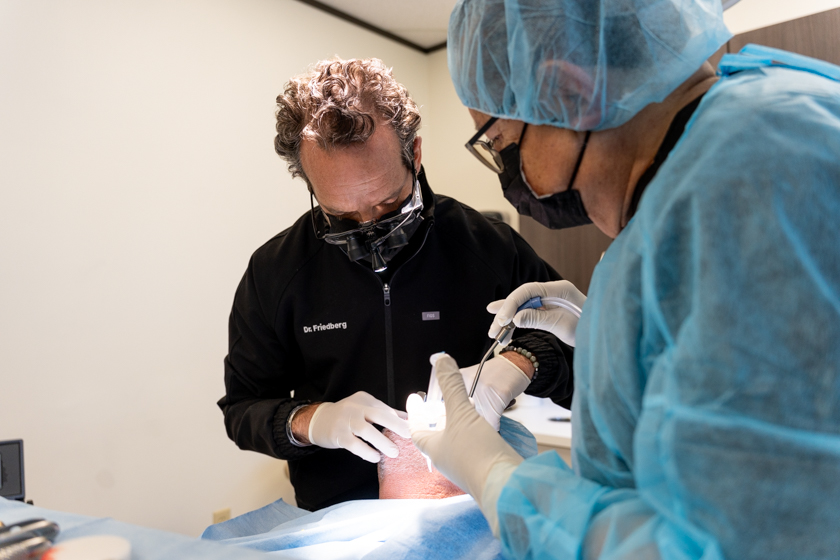
During implant placement, patients do not typically feel pain. Your provider numbs the area completely and maintains comfort throughout the procedure. As a result, most people notice pressure or vibration rather than discomfort.
In fact, many patients later describe the experience as far calmer than expected. Compared to their initial fears, the procedure often feels routine and well managed.
Are Dental Implants Painful After Surgery?
Some discomfort after implant surgery is normal, but it usually remains mild to moderate. Most patients compare the sensation to soreness after a tooth extraction.
Common experiences include:
- Localized soreness near the implant site
- Mild swelling or tenderness
- Temporary jaw stiffness
These symptoms usually peak within the first 48 hours and then steadily improve. Most patients manage discomfort well with standard pain medication. Severe pain is uncommon and should always be evaluated.
Dental Implant Pain vs. Swelling: What’s the Difference?
Patients often confuse swelling with pain. While swelling can feel uncomfortable, it does not necessarily mean the area hurts. Swelling is part of the body’s natural healing response.
Typically, swelling increases slightly during the first two days and then subsides. Ice, rest, and following aftercare instructions help keep this phase manageable.
Are Dental Implants More Painful Than Other Dental Procedures?
Many patients compare dental implant pain to experiences they already understand. In most cases, they report that dental implants feel:
- Easier than expected
- Comparable to or less uncomfortable than a tooth extraction
- Less disruptive than living with chronic tooth pain or infection
Because implants replace missing teeth permanently, many patients view the short recovery period as a worthwhile investment in long-term comfort.
Are Dental Implants Painful During the Healing Phase?
After the initial recovery, dental implants heal quietly as they integrate with the jawbone. During this phase, most patients experience little to no discomfort.
At this stage:
- Daily routines resume quickly
- Ongoing pain is uncommon
- Only minor temporary activity limits apply
Healing continues beneath the surface without interfering with daily life for most patients.
When Dental Implant Pain Is Not Normal
Although mild discomfort is expected early on, certain symptoms require attention. These include:
- Pain that worsens instead of improving
- Swelling that increases after several days
- Persistent throbbing or fever
While these issues are uncommon, early evaluation supports proper healing and long-term implant success.
Why Dental Implants Feel Less Painful Than Expected
Modern implant dentistry focuses on minimizing trauma to surrounding tissue. Detailed imaging, precise placement, and careful planning allow providers to work efficiently and gently.
Because of this approach, many patients later say the fear they felt beforehand outweighed the actual experience of treatment.
At Dr Friedberg and Associates, careful planning, precise technique, and a focus on patient comfort help ensure that implant treatment is both predictable and well tolerated.
How Fear Influences the Perception of Pain
Anticipated pain often causes more distress than physical discomfort itself. Anxiety can heighten sensitivity before treatment even begins. Clear explanations and realistic expectations significantly reduce this emotional burden.
Educational guidance from trusted sources, including the American Dental Association, supports what many patients experience firsthand—that dental implant treatment is typically well tolerated.
How Pain Concerns Connect to Other Implant Questions
For many patients, pain concerns connect closely to broader questions about treatment complexity and long-term value. Learning more about implant pricing and planning often helps patients feel more prepared before scheduling care.
Additionally, understanding general oral surgery recovery guidelines can further reduce uncertainty and improve confidence.
Frequently Asked Questions About Dental Implant Pain
Are dental implants painful compared to tooth extractions?
In most cases, dental implant discomfort is similar to or less than that of a tooth extraction. Many patients say recovery feels easier than expected.
How long does dental implant pain last?
Discomfort typically lasts a few days and improves steadily. Most patients feel significantly better within the first week.
Are dental implants painful for older patients?
Age alone does not determine pain levels. Overall health, bone quality, and proper aftercare play a larger role.
Can patients reduce dental implant pain?
Yes. Careful planning, proper aftercare, and following instructions closely all help reduce discomfort and swelling.
Does pain mean the implant failed?
Not necessarily. Mild pain is part of healing. However, worsening or severe pain should always be evaluated.
A Final Thought
If fear has been holding you back, it helps to know that many people who ask are dental implants painful later say they would choose treatment again without hesitation. When patients understand what to expect, the experience often feels far more manageable than anticipated.
A personalized consultation allows you to understand how implant treatment applies to your specific needs and helps you move forward with confidence.