
A dental retainer is the final step after braces or clear aligners, and it plays an important role in keeping teeth straight. Orthodontic treatment moves teeth into position, but without proper retention, teeth naturally shift over time.
Many patients assume their smile will stay straight once treatment ends. However, teeth move throughout life due to chewing, clenching, and natural aging. A dental retainer helps limit that movement and protects the results already achieved.
At your trusted Houston dental team, we treat retention as a key part of long-term oral health, not an optional follow-up.
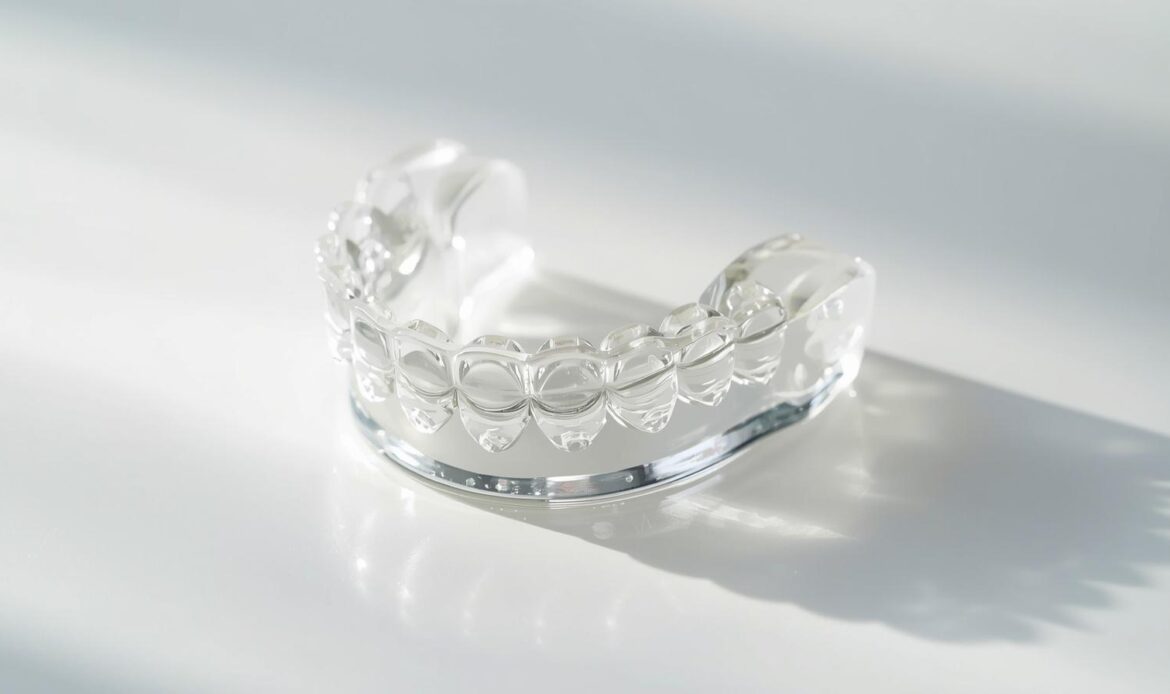
Life After Braces: Why a Dental Retainer Matters
After braces or clear aligners, teeth remain flexible inside the jaw. The surrounding bone needs time to stabilize, and during that period, retention matters.
A custom dental retainer provides steady support that helps maintain alignment and preserve bite balance. Patients who follow their post-treatment plan are far more likely to keep their teeth straight for years.
Why Teeth Shift Without a Dental Retainer
Teeth sit in living bone that constantly responds to pressure. During orthodontic care, teeth move through bone, which must rebuild once treatment ends.
Without consistent support, daily habits like chewing, grinding, and jaw movement can slowly pull teeth out of position. Wearing a retainer counteracts these forces and helps keep teeth stable.
How a Dental Retainer Supports Long-Term Oral Health
Proper alignment supports more than appearance. When teeth stay in position, bite forces distribute evenly, which reduces uneven wear and jaw strain.
Stable positioning also makes brushing and flossing easier, lowering the risk of cavities and gum disease. Patients who maintain retention often avoid more complex dental treatment later in life.
Retainer Options After Orthodontic Treatment
Dentists recommend different options based on individual needs.
Removable dental retainers include clear plastic trays and traditional wire designs. These appliances allow easy cleaning but require daily consistency.
Fixed retainers use a thin wire bonded behind the front teeth. They provide constant support for patients prone to movement and require careful hygiene.
Your dentist will help you choose the best option for lasting results.
How Long Retainers Are Usually Worn
Most patients wear a dental retainer full-time for several months after orthodontic treatment, then transition to nighttime use.
Many dental professionals recommend nighttime wear indefinitely. Teeth naturally shift with age, even years after braces, and continued use helps preserve alignment.
Daily Care for Retainers
Good daily cleaning habits for retainers keep your appliance clean and comfortable.
Remove your dental retainer before eating or drinking anything except water. Clean it daily with cool water and mild soap. Avoid toothpaste, which scratches plastic, and avoid hot water, which can warp the appliance.
Store the retainer in its case when not in use. Retainers left out often get lost or damaged. If fit changes or discomfort occur, schedule an evaluation.
What Happens If Retainers Are Not Worn
Without regular use, teeth gradually move. Early changes may seem minor, but long-term movement can affect alignment and bite.
Patients who stop wearing dental retainers often need additional orthodontic care later. Consistent use protects results and avoids repeating treatment.
Common Questions
How long do dental retainers last?
With proper care, dental retainers last several years. Cracks, warping, or poor fit indicate replacement is needed.
Can I drink coffee while wearing a retainer?
No. Hot or sugary drinks can damage retainers and increase cavity risk.
What should I do if I lose my retainer?
Contact your dental office immediately. Quick replacement helps prevent tooth movement.
A dental retainer protects the results you worked hard to achieve. With consistent wear and proper care, your smile can remain straight and healthy for decades. If you have questions about post-treatment care, schedule a consultation with our dental office for personalized guidance.